Content

Lorem ipsum

Lorem ipsum dolor sit amet, consectetur adipiscing elit, sed do eiusmod tempor incididunt ut labore et dolore magna aliqua. Ut enim ad minim veniam, quis nostrud exercitation ullamco laboris nisi ut aliquip ex ea commodo consequat. Duis aute irure dolor in reprehenderit in voluptate velit esse cillum dolore eu fugiat nulla pariatur. Excepteur sint occaecat cupidatat non proident, sunt in culpa qui officia deserunt mollit anim id est laborum.

Read more...

Paediatric Resources for Ukrainian Support

INTRODUCTION

This open-access repository is a EUSEP/EAPS initiative that is meant to provide clinicians with shared resources to facilitate provision of optimal care to Ukrainian refugee children in many settings (i.e. in the field, in the in-hospital or out-of hospital setting). Resources can be surfed by topic or by issuing source.

The repository will be updated on a regular basis.

If you wish to contribute to sharing resources, please email This email address is being protected from spambots. You need JavaScript enabled to view it. . The material will undergo assessment by our working group in order to be uploaded in this repository.


Table of contents 

Refugees demographic, social and clinical information data collection tool

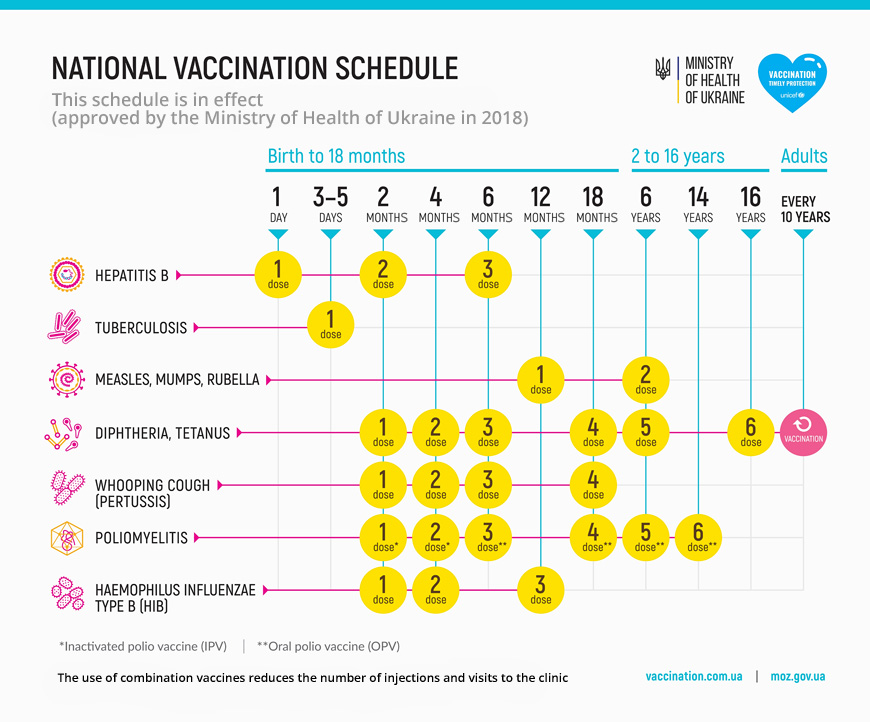
Ukraine National Vaccination Schedule

Ukraine National Vaccination Schedule

Resources ordered by topic

Trauma

Infectious Diseases and Immunizations

e-learning resources (videos/tutorials/guidelines)

Services/resources for refugees

Toolkits for clinical practice (including parent information sheets)

Other

Resources ordered by source

Resources from Ukraine

Resources from (inter)national Societies

Resources from non-governmental organisations and charities

Resources from international centres for disease control and prevention


Table 1. Selection of resources available ordered by topic

Organisation

Description

Website or link

Language

Trauma

Imperial College London - Centre for Blast Injury Studies

Paediatric Blast Injury Field Manual in 5 languages

https://www.imperial.ac.uk/blast-injury/research/networks/paediatric-blast-injury-field-manual/

English

Arabic

Dari

French

Pashtun

International committee of the Red Cross

Blast Trauma Care Course Manual

https://www.icrc.org/en/publication/4500-blast-trauma-care-course-manual

English

Infectious Diseases and Immunizations

Center for Disease Control and Prevention (CDC) [US]

Country specific information on communicable diseases by CDC (US)

https://wwwnc.cdc.gov/travel/destinations/traveler/none/ukraine

English

European Center for Disease Control (ECDC)

Operational public health considerations for the prevention and control of infectious diseases in the context of Russia’s aggression towards Ukraine

https://www.ecdc.europa.eu/en/publications-data/operational-public-health-considerations-prevention-and-control-infectious

English

European Center for Disease Control (ECDC)

Infographic: Vaccinations to be offered in the absence of documented evidence of prior vaccination

https://www.ecdc.europa.eu/en/publications-data/infographic-vaccinations-offered-absence-documented-prior-vaccination

English

Deutsche Gesellschaft fur Kinder- und Jugendmedizin [Germany]

Guidance for Infection screening for refugee children and young people

https://dgpi.de/infektiologische-versorgung-von-fluechtlingen-im-kindes-und-jugendalter-in-deutschland/

German

Association Espanola de Pediatria [Spain]

Guidance on immunisations for refugee children and young people

https://vacunasaep.org/documentos/manual/cap-12

Spanish

Nederlandse vereniging voor kindergeneeskunde – expertisegroep Global Child Health [Netherlands]

Guidance on management and infection screening of refugee children and young people

https://www.nvk.nl/over-nvk/gremia/expertisegroepen/expertisegroep?groupid=15302687

Dutch

Ministry of health Ukraine

Immunisation schedule

https://en.moz.gov.ua/vaccinations

English, Cyrillic

World Health Organisation

WHO information on vaccination coverage in Ukraine

https://immunizationdata.who.int/pages/profiles/ukr.html

English

World Health Organisation

Technical guidance on Delivery of Immunization services for refugees and migrants

https://apps.who.int/iris/bitstream/handle/10665/326924/9789289054270-eng.pdf?sequence=1&isAllowed=y

English

Immunization action coalition [US]

Translations of common childhood infections

https://www.immunize.org/catg.d/p5122.pdf

English

European Centre for Disease Prevention and Control

Tuberculosis surveillance and monitoring in Europe

https://www.ecdc.europa.eu/en/publications-data/tuberculosis-surveillance-and-monitoring-europe-2021-2019-data English

e-learning resources (videos/tutorials/guidelines)

World Health Organisation

Emergency Response Learning & Resource Center – WHO academy

https://express.adobe.com/page/XCHiPbrUNNNFC/

English

European Academy of Paediatrics

Practical guidelines: Medical care for migrant children in Europe: a practical recommendation for first and follow-up appointments

https://link.springer.com/article/10.1007/s00431-019-03405-9

English

MedTube

Social eLearning platform for medical professionals

https://medtube.net

English

Medicines Sans Frontiers

Medical field guidelines

https://www.msf.org/medical-resources

English

Services/resources for refugees

United Nations High Commissioner for Refugees (UNHCR)

The UN refugee agency – Site for Ukraine situation

https://www.unhcr.org/ua/en

English, Cyrillic

Freedom from torture

Charity for victims of torture

https://www.freedomfromtorture.org

English

United Nations International Children's Emergency Fund (UNICEF)

Resources for refugee and migrant children in Europe

https://www.unicef.org/eca/emergencies/refugee-and-migrant-children-europe

English

Toolkits for clinical practice (including parent information sheets)

Ukraine Academy of Paediatric Specialties

Website for parents with information leaflets

https://zrozumilo.org

Cyrillic

Heim Pal National Paediatric Institute, Budapest, Hungary

Clinical and Social data collection toolkit

Word document

English

Cyrillic

Russian

IQVIA

Ukrainian Medicine Conversion To European Equivalent Pharmaceutical Product 

https://ukrainemedlist.solutions.iqvia.com/

English

Cyrillic

Czech

Slovenian

Widgit Cards to support interaction with Ukrainian refugees in different countries.

https://www.widgit.com/products/health/refugee-support/index.htm  


Other

WHO - Health Cluster Ukraine

Public health situation analyses (PHSA)

https://www.humanitarianresponse.info/en/operations/ukraine/document/ukraine-public-health-situation-analysis-phsa-ukraine-03032022-eng

English

International committee of the Red Cross

Overview of current ICRC operations in the country

https://www.icrc.org/en/where-we-work/europe-central-asia/ukraine

English

Doctors of the world

Guidance on creating a refugee friendly and safe medical environment

https://www.doctorsoftheworld.org.uk/what-we-stand-for/supporting-medics/safe-surgeries-initiative/safe-surgeries-toolkit/?nabm=1

English

Ukraine public Health page

In Ukraine language the information is updated regularly, and can be translate with Google translate

https://phc.org.ua/

Cyrillic


Table 2. Selection of resources available ordered by source

Organisation

Description

Website or link

Language

Resources from Ukraine

Ukraine Academy of Paediatric Specialties

Website for parents with information leaflets

https://zrozumilo.org

Cyrillic

Ministry of health Ukraine

Immunisation schedule

https://en.moz.gov.ua/vaccinations

English, Cyrillic

Ukraine public Health page In Ukraine language the information is updated regularly, and can be translate with Google translate https://phc.org.ua/ Cyrillic

Resources from (inter)national societies

European Academy of Paediatrics

Practical guidelines: Medical care for migrant children in Europe: a practical recommendation for first and follow-up appointments

https://link.springer.com/article/10.1007/s00431-019-03405-9

English

Royal College of Paediatrics and Child Health [UK]

Refugee and unaccompanied asylum seeking children and young people - guidance for paediatricians

https://www.rcpch.ac.uk/resources/refugee-unaccompanied-asylum-seeking-children-young-people-guidance-paediatricians#age-assessment

English

Deutsche Gesellschaft fur Kinder- und Jugendmedizin [Germany]

Guidance for Infection screening for refugee children and young people

https://dgpi.de/infektiologische-versorgung-von-fluechtlingen-im-kindes-und-jugendalter-in-deutschland/

German

Association Espanola de Pediatria [Spain]

Guidance on immunisations for refugee children and young people

https://vacunasaep.org/documentos/manual/cap-12

Spanish

Nederlandse vereniging voor kindergeneeskunde – expertisegroep Global Child Health [Netherlands]

Guidance on management and infection screening of refugee children and young people

https://www.nvk.nl/over-nvk/gremia/expertisegroepen/expertisegroep?groupid=15302687

Dutch

Imperial College London - Centre for Blast Injury Studies

Paediatric Blast Injury Field Manual in 5 languages

https://www.imperial.ac.uk/blast-injury/research/networks/paediatric-blast-injury-field-manual/

English

Arabic

Dari

French

Pashtun

Resources from non-governmental organisations and charities

United Nations High Commissioner for Refugees (UNHCR)

The UN refugee agency – Site for Ukraine situation

https://www.unhcr.org/ua/en

English, Cyrillic

Medicines Sans Frontiers

Medical field guidelines

https://www.msf.org/medical-resources

English

United Nations International Children's Emergency Fund (UNICEF)

Resources for refugee and migrant children in Europe

https://www.unicef.org/eca/emergencies/refugee-and-migrant-children-europe

English

World Health Organisation

Emergency Response Learning & Resource Center – WHO academy

https://express.adobe.com/page/XCHiPbrUNNNFC/

English

World Health Organisation

WHO information on vaccination coverage in Ukraine

https://immunizationdata.who.int/pages/profiles/ukr.html

English

World Health Organisation

Technical guidance on Delivery of Immunization services for refugees and migrants

https://apps.who.int/iris/bitstream/handle/10665/326924/9789289054270-eng.pdf?sequence=1&isAllowed=y

English

WHO - Health Cluster Ukraine

Public health situation analyses (PHSA)

https://www.humanitarianresponse.info/en/operations/ukraine/document/ukraine-public-health-situation-analysis-phsa-ukraine-03032022-eng

English

International committee of the Red Cross

Overview of current ICRC operations in the country

https://www.icrc.org/en/where-we-work/europe-central-asia/ukraine

English

International committee of the Red Cross

Blast Trauma Care Course Manual

https://www.icrc.org/en/publication/4500-blast-trauma-care-course-manual

English

Doctors of the world

Guidance on creating a refugee friendly and safe medical environment

https://www.doctorsoftheworld.org.uk/what-we-stand-for/supporting-medics/safe-surgeries-initiative/safe-surgeries-toolkit/?nabm=1

English

Freedom from torture

Charity for victims of torture

https://www.freedomfromtorture.org

English

Immunization action coalition [US]

Translations of common childhood infections

https://www.immunize.org/catg.d/p5122.pdf

English

Refugee Council UK

Overview of services available to refugees in UK

https://www.refugeecouncil.org.uk/get-support/services/

English

MedTube

Social eLearning platform for medical professionals

https://medtube.net

English

Resources from international centres for disease control and prevention

Center for Disease Control and Prevention (CDC) [US]

Country specific information on communicable diseases by CDC (US)

https://wwwnc.cdc.gov/travel/destinations/traveler/none/ukraine

English

European Center for Disease Control (ECDC)

Operational public health considerations for the prevention and control of infectious diseases in the context of Russia’s aggression towards Ukraine

https://www.ecdc.europa.eu/en/publications-data/operational-public-health-considerations-prevention-and-control-infectious

English

European Center for Disease Control (ECDC)

Infographic: Vaccinations to be offered in the absence of documented evidence of prior vaccination

https://www.ecdc.europa.eu/en/publications-data/infographic-vaccinations-offered-absence-documented-prior-vaccination

English

European Center for Disease Control (ECDC)

Tuberculosis surveillance and monitoring in Europe

https://www.ecdc.europa.eu/en/publications-data/tuberculosis-surveillance-and-monitoring-europe-2021-2019-data

English

Read more...

Useful links


Resources and Information

Resources and InformationDescriptionWebsite
 My Emergency Medicine  A compilation of useful links, videos, podcasts, novelties and related resources on Emergency Medicine.

www.myemergencymedicine.com

EB Medicine Links to evidence based medicine www.ebmedicine.net
Emergency Nurse Practice-based journal in the UK written for nurses working in unscheduled, urgent and emergency care www.emergencynurse.co.uk
Trauma Nurse Becoming a trauma nurse pacificmedicalacls.com/acls-online-library-becoming-a-trauma-nurse.html
Emergency Physicians International Global Perspectives on Emergency Medicine www.epijournal.com
Expedition Medicine Provider of expedition, wilderness and remote medicine training courses www.expeditionmedicine.co.uk
Mediterranean Journal for Emergency Medicine A new publication that is being published in Lebanon and distributed in the Mediterranean and the Arab countries www.newhealthconcept.net/med-emergency.asp
University Of Edinburgh Paediatric Emergency Medicine (Online Distance Learning) MSc, PgCert, PgDip https://www.ed.ac.uk/studying/postgraduate/degrees/index.php?r=site/view&edition=2020&id=667
The Conference Website Links to medical conferences www.theconferencewebsite.com
 Online Nursing Degrees A site that is meant to help prospective nursing students make an informed decision as well as educate them on current issues in the field.  https://onlinenursingms.com/resources/general/trauma-nursing/


Medical Organisations

Medical OrganisationsAbb.Website
American Academy of Emergency Medicine AAEM www.aaem.org
American College of Emergency Physicians ACEP www.acep.org
American Lung Association ALA www.lung.org
Association des Medicins Urgentistes Hospitalieres de France AMUHF http://amuf.fr/
Association of Emergency Physicians of Malta AEPM www.aepm.webs.com
Australasian College for Emergency Medicine ACEM www.acem.org.au
Austrian Association of Emergency Medicine AAEM www.aaem.at
Belgian Society of Emergency and Disaster Medicine BeSEDiM www.chuliege.be
Brazilian Association for Emergency Medicine ABRAMEDE www.abramede.com.br
British Medical Association BMA www.bma.org.uk
Bulgarian Society for Emergency Medicine BSEM  
Canadian Association of Emergency Physicians CAEP www.caep.ca
Chinese University of Hong Kong Accident & Emergency Medicine Academic Unit CUHK www.aemau.cuhk.edu.hk
Croatian Society for Emergency Medicine CSEM www.hdhm.com.hr
Czech Society for Emergency and Disaster Medicine CSEDM www.urgmed.cz
Danish Society for Emergency Medicine DASEM www.akutmedicin.org
Emergency Medicine Association of Turkey EMAT www.tatd.org.tr
Emergency Medicine Physicians Association of Turkey EPAT www.atuder.org.tr
European Society for Emergency Nursing EuSEN eusen.org
German Association for Emergancy Medicine DGINA www.dgina.de
Hellenic Society of Emergency Medicine HeSEM www.hesem.gr
Hong Kong College of Emergency Medicine HKCEM www.hkcem.com
Hungarian Society for Emergency Medicine HuSEM www.msotke.hu
Icelandic Society for Emergency Medicine ISEM  
International Federation for Emergency Medicine IFEM www.ifem.cc
International Emergency Department Leadership Institute IEDLI www.iedli.org
Irish Association for Emergency Medicine IAEM www.iaem.ie
Israeli Society for Emergency Medicine ISEM  
Italian Society for Emergency Medicine SIMEU www.simeu.it
Kosovo Emergency Medicine Association KSEM  
Latvian Society for Emergency and Disaster Medicine LSEDM  
Lithuanian Intensive Cardiac Care and Emergency Medicine Association    http://cardem.lt/?fbclid=IwAR19x6dZZk7CtJMwcXTwSJlhPmiPAX2s60CXZayrOBPJNZggVz7-9IRg_gw
Netherlands Society for Emergency Physicians NVSHA www.nvsha.nl
Nordic Society for Disaster Medicine NSDM  
Österreichische Gesellschaft für Notfall- und Katastrophenmedizin ONK www.notarzt.at
Polish Society for Emergency Medicine PSEM www.medycynaratunkowa.com.pl
Portuguese Association of Emergency Medicine APME  
Resuscitation Council of Serbia and Montenegro RCSM  
Romanian Society for Emergency and Disaster Medicine SMUCR  
Royal College of Emergency Medicine RCEM www.rcem.ac.uk
Schweizerische Gesellsschaft fur Notfall und Rettungsmedizin /
Societe Suisse de Medicine d’Urgence et de Sauvetage
SGNOR /
SSMUS
www.sgnor.ch
Serbian Society of Emergency Physicians SSEP www.dlums.rs
Slovenian Society for Emergency Medicine SSEM www.ssem-society.si
Sociedad Espanola de Medicina de Urgencias y Emergencias SEMES www.semes.org
Societe Francaise de Medecine d’Urgence SFMU www.sfmu.org
Swedish Society for Emergency Medicine SweSEM www.swesem.org
Union Europeenne Des Medecins Specialistes UEMS www.uems.net
World Association for Disaster and Emergency Medicine WADEM www.wadem.org
World Health Organization WHO www.who.int

Read more...

EM Monthly webinar

 EM Monthly was launched at the beginning of 2021 as a webinar series. EM Monthly is held every last Thursday of the month with relevant and important topics in Emergency Medicine. Our webinars bring together global experts to explore a wide range of topics and address critical issues.
 
This platform is designed to provide accessible education in Emergency Medicine to a diverse community of EM Physicians from around the world. Therefore, every webinar is also shared on the EUSEM academy.
 
EUSEM members can access all previous webinar recordings through the EUSEM Academy.
 

WEBINARS 2025

 
6 November 2025: The EUSEM-EAPCCT webinar: Marine envenomation
 
7 October 2025: Sepsis in the Emergency Department
 
16 September 2025: Diagnosis of abdominal pain
 
4 September 2025: Transforming Emergency Department Workflows: The Role of Point-of-Care High-Sensitivity Troponin I Testing in Reducing Patient Length of Stay
 
28 August 2025: Driving Sustainable Emergency Care – With Speed and Scale
 
15 July 2025: Distributive Justice in the ED: getting a fair deal for “cinderella” patients
 
24 June 2025: Better thinking in EM practice
 
3 June 2025:Living in a War Zone and Saving Lives
 
27 May 2025: Emergency Medicine Day Webinar: Importance of Professional Satisfaction in Emergency Medicine
 
21 May 2025: Empowering emergency care: The impact of digital tools in Acute Cardiovascular Management
 
27 February 2025: Pain Management in Disaster Medicine
 
11 February 2025: Quality and Safety in Emergency Medicine
 
27 March 2025: The European Society of Emergency Medicine Ultrasound Curriculum
 
24 April 2025: Sustainable Careers in Emergency Medicine
 
24 June 2025: The importance of cognition in EM practice
 

WEBINARS 2024

25 January: Joint IFEM / EUSEM webinar on Digital EM. Moderators & Speakers: Dr. Göksu Bozdereli Berikol, Dr. Grzegorz Waligora and Dr. Guido Bertolini 
 
January: Artificial Intelligence - a Future of Emergency Medicine

29 February: Rare Emergency Procedures 

25 April: Mass casualty incidents in the ED: Lessons learned from the COVID-19 pandemic.  Moderators & Speakers: Dr. Debra West, Dr. Eric Revue, Dr. Steve Photiou

28 May: Recommendations for Blood Sampling in the ED from a multi professional working group. Moderators: Dr. Luis Garcia-Castrillo and Dr. Said Idrissi. Speakers: Dr Janne. Cadamuro, Dr. Christoph Dodt, Dr. Christien Van Der Linden 

17 June: Mass Gatherings: International Experiences and Lessons Learned 

29 August: Geri-EM: Medicines in Older Adults

24 October: Heavy metal toxicity: risk evaluation and acute toxicity management

pAST 2023

29 June: EUSEM-ERC webinar on New Developments in Resuscitation, Prof Abdo Khoury and Prof Koen Monsieurs

31 August: Acute Aortic Dissection, Dr Graham Cooper and Dr Gregor Prosen

28 September: Pain management

26 October: How Digitization Affects our Daily work, Dr Goksu Bozdereli Berikol, Prof Thomas Sauter, and Prof. David Schwappach

30 November: EUSEM meets London HEMS: Rare practical procedures, Dr Jim Connolly                                                                                                                                                                

All past webinars are On Demand on the EUSEM Academy CLICK HERE

2023

January: How Emergency Medical Services face a crisis: examples of adaptive system to disaster

April: The European guideline on management of major bleeding and coagulopathy following trauma

2022

February: How to prepare for future pandemics, collaboration with UEMS

March: War in Ukraine: Preparing Paediatric Emergency Medicine in Europe, collaboration with MSF and EAP 

April: Global Emergency Medicine - Experiences and opportunities

May: Burnout in EM professionals; Now it's time to take action

June: Testicle Ultrasound in Paediatrics & Ultrasound in Head Trauma. 

August: Learning in the ED; Efficient techniques for your next shift

September: Ultrasound in shock, international speakers panel. 

October: EUSEM 2022 deep dive,  

November: All you need to know about Cyanide poisoning for 2023


2021

April: Major changes in ERC 2021 guidelines for cardiac arrest. A joint webinar with ERC

May: To plan optimal health services for unplanned care

June: Pediatric point-of-care ultrasound   

August: Ultasound masterclass

September: TTM2 - What's cool and what isn't anymore

September: Bleeding and coagulopathy in trauma webinar

November: Antidotes in an Emergency Setting

Read more...

EUSEMCast

about eusemcAST

EUSEMCast is a podcast run by the EUSEM education committee and the YEMD section.  

EUSEMCast is the podcast for Emergency Medicine professionals

Each episode will cover topics that are absolutely essential for advancing your career in Emergency Medicine. For example, you will gain new insights about EUSEM, leadership and teaching in EM, also on how to prepare for the European Board Exam in Emergency Medicine (EBEEM) - and other topics within this dynamic field. 


New episodes are published on the 1st day of every month 

Click below to listen to the podcast


Episode 34: WELLBEING IN EMERGENCY MEDICINE

In the September 2026 episode of the podcast, we take a deep dive into wellbeing, surviving work-related stress, and managing shift work in an emergency department. How can we self-triage our emotional wellbeing? How can we master sleep between night shifts? What systems should be in place to help us in case of acute work-related overwhelm? These and other questions about how to promote wellbeing in the emergency medicine space are answered by Dr. Amanda Dinsmore from the United States and Prof. Eric Heymann from Switzerland.


Episode 33: EPIC & FALCON

In the latest episode, host Moritz Werthschulte welcomes Dr. Michelle Johnston from Australia to the podcast. Michelle is a Consultant in Emergency Medicine at Royal Perth Hospital in Western Australia.

At her Emergency Department, Michelle and her team have introduced dedicated roles to help structure the department’s work and improve patient flow during busy periods. In this episode, Moritz and Michelle discuss two of these roles: the EPIC (Emergency Physician in Charge) and the FALCON (Front Access Liaison Consultant).

While the EPIC oversees the entire Emergency Department and focuses on coordinating patient flow, the FALCON sees patients as early as possible, initiating investigations and treatment immediately - often while patients are still on the ambulance trolley.


Episode 32: EM around Europe Part VII - Belgium & Portugal

In the latest episode of our "Emergency Medicine Around Europe" series, we explore the emergency medicine systems in Portugal and Belgium with Dr. Leila Duarte, Dr. Gabriela Rodrigues, and Dr. Laurine Sergoynne. Together, they discuss emergency medicine training, models of care, specialty recognition, and the key challenges facing the field in their respective countries. Tune in for an insightful conversation!. 


 Episode 31: HEMS and PHEM doctors

In the June 2026 episode of the EUSEMCast podcast host Moritz Werthschulte speaks with Lisa Cunningham. Lisa is a Consultant in Emergency Medicine at Mayo University Hospital in Castlebar, Ireland, as well as a pre-hospital emergency doctor with Lincolnshire& Nottinghamshire Air Ambulance in the East Midlands Region of the United Kingdom.

Both are discussing the advantages of both a Helicopter Emergency Medicine Service (HEMS) with widespread air ambulance bases as well as the need for specifically trained doctors on the road for critical emergencies. Lisa is a strong advocate for the expansion of HEMS services and PHEM doctors in Ireland and talks both about her experiences in the UK as well as about the needs in her homecountry. 


Episode 30: EM around Europe part 6 - Denmark and Lithuania

In the latest episode of "Emergency Medicine around Europe" our podcast host Moritz Werthschulte talks with doctors from Denmark and Lithuania about how Emergency Medicine works in their countries: training, resources, system setups, and EMS.

Dr. Morten Weyhe tells us about EM in Denmark; Dr. Beatrice Rasciute explains the current state of Emergency Medicine in Lithuania. 


 Episode 29: Non-Invasive Ventilation

Podcast host Moritz Werthschulte sits down with Dr. Roberto Cosentini, head of the Emergency Department at Papa Giovanni XXIII Hospital in Bergamo, Italy, for an in-depth conversation on Non-Invasive Ventilation (NIV). Together, they explore when NIV should and should not be used, examine various methods and settings, and discuss how different conditions can be effectively treated with this approach. Join Moritz and Roberto as they take a deep dive into the world of ventilators, circuits, masks, and CPAP helmets.


 Episode 28: Vienna EMS

In the latest episode of EUSEMCast, our host Moritz Werthschulte sits down with Dr. Ben Thal from Vienna, Austria, a Pre-hospital Emergency Medicine Consultant with the Vienna Ambulance Service (Berufsrettung Wien).

Ben and Moritz discuss the EMS system in Austria, particularly in Vienna, and explore innovative projects and specialised units operating on the city’s streets. From pre-hospital emergency medicine consultants supporting regular PHEM physicians, to Field Supervisors and dedicated pre-hospital research units, Ben explains what makes Vienna’s EMS system unique.


      Episode 27: Sepsis in Focus: Early Detection, Biomarkers, and Finding the Source

In this EUSEMCast episode, Tobias sits down with Yonathan Freund, Professor of Emergency Medicine at Sorbonne University, for a deep dive into sepsis. With the upcoming update of the Surviving Sepsis Campaign guidelines on the horizon, they tackle key clinical questions, from the critical importance of early recognition, to the role of biomarkers in guiding management decisions, and whether liberal use of CT imaging truly helps identify the infectious source in critically ill patients.


       Episode 26: Refugee Rescue in the Mediterranean

In episode 26 of the EUSEMCast host Moritz Werthsculte speaks with Dr. Thorben Dieck about rescuing refugees from distress at see in the Mediterraneum. Thorben is an anaesthesiology consultant specialising in burns and critical care, working voluntarily as Senior Medical Adviser for the German Charity "Mission Lifeline." Thorben takes us on a tour with a rescue vessel he did himself in the Mediterranean and reports about his experiences.


       Episode 25: EM around Europe part 5 - Malta & Sweden
In part 5 of the Emergency Medicine around Europe podcast, host Moritz Werthschulte speaks with Emergency Doctors from Malta and Sweden about the Emergency Medicine system and training in their countries. Dr. Sascha Östberg, an Emergency Medicine Specialist Doctor, works in the ED of the Lasarettet i Ystad in Sweden and talks us through Swedish EM. With Dr. Anna Spiteri, an EM Consultant at Mater Dei Hospital in Malta, we speak about working in a country with only two hospitals. An interesting mix of EM systems from the northern and southern ends of Europe.


       Episode 24: The Protected Airway Course

This episode has been recorded at the EUSEM Congress 2025 in Vienna (Austria) with the team of one of the congress pre-courses: The Protected Airway Course. Podcast host Moritz Werthschulte took part in the course and discusses both the special concept of the course as well as the learnings for emergency airway management with the course directors Jonathan St. George from New York (USA), Christian Hohenstein (Bad Berka, Germany) and Luca Ünlü (Freiburg, Germany). For more inormation about the course: www.theprotectedairway.com


       Episode 23: Maternal Emergencies

A Women in labour in the ED: When is it time to rush her to the labour ward and when is it time to get the hot water and the towels out?

In this podcast episode, podcast host Tobias Becker talks about this situation with the course director of the Maternal Emergencies pre-course at the 2025 EUSEM Congress, Dr. Anju Menon as well as her team mate Dr. Stephen Ojo.


       Episode 22: 2025 Congress Special: Emergency Medicine around Europe part 4: Germany, Austria,             Switzerland

In this special episode of the EUSEMCast for the 2025 EUSEM Congress in Vienna, Austria, podcast host Moritz Werthschulte speaks with Maximilian Niederer from Austria and Bruno Minotti from Switzerland about the emergency medicine systems in their countries as well as about the German emergency medicine system.

This is a great chance for all Congress visitors to hear about how EM works in the country hosting this years EUSEM congress!


         Episode 21: FOAM
In this podcast episode our host Moritz Werthschulte welcomes a special guest: Scott Weingart from EMCrit, Emergency Medicine Attending and Director of Clinical Education and Faculty Development
Nassau University Medical Center, NY, USA. Together they will make a deep dive into the Free open-access medical education (FOAM) world and speak about Scotts famous Emergency Medicine Podcast EMCrit.


         Episode 20: EM around Europe part 3 (Estonia & Croatia)

In Episode 20 of EUSEMCast — the third instalment in the "Emergency Medicine Around Europe" series — Moritz Werthschulte speaks with Didi Deliac from Croatia about the country's emergency medicine training and healthcare system. Later in the episode, podcast host Ali Noorani, an EM Registrar based in Galway, Ireland, interviews Gustav Klimušev to explore the state of emergency medicine in Estonia.


         Episode 19: EM around Europe part 2 (Ireland & UK)

In the second Episode of Emergency Medicine around Europe podcast host Moritz Werthschulte speaks with two Emergency Medicine Trainees about the situation and how EM training works in their countries. Dr. Evan White from Galway gives us an overview about Emergency Medicine in Ireland. Dr. Josh Callon from London takes us to the United Kingdom afterwards and displays how Emergency Medicine works there. 


        Episode 18: Point of Care Ultrasound (POCUS)

 The use of Point of Care Ultrasound (POCUS) offers fantastic opportunities for application in an emergency                         medicine setting. In this episode podcast host Moritz Werthschulte discusses these with Dr Tim Harris, Professor             of Emergency Medicine at Queen Mary University of London, Director for their Emergency and Resucitation                           Medicine Programme and Retrieval Doctor at MedStar Emergency Medical Retrieval Services in Australia.

 Tim explains the advantages of POCUS for procedures, especially for nerve blocks, as well as the oustanding                       diagnostic possibilities of POCUS in shortness of breath, shock, heart faliure, pulmonary embolism, sepsis and                 to evaluate the fuild status of a patient.


       Episode 17: Think BIG in patients with small intracranial bleeds

         Is there a tool to identify patients with intracranial haemorrhages that may be managed without neurosurgical                 input or hospital admission? …  is the core question of this episode where Dr. Tobias Becker interviews Prof. Lauren           Sutherland, an Emergency Physician from Columbus USA.

         Both go through the Brain Injury Guidelines, which are a set of clinical and radiological criteria used in patients               with traumatic intracranial haemorrhages. They aim to identify low risk patients that may be managed in the ED             with short observation and discharge home. Prof. Sutherland speaks about her research on the topic and                             experience with those criteria in her ED setting.


       Episode 16: Emergency Medicine Global Exchange Programme (EMGLEX) (February 2025)

In this episode, Tobias Becker interviews Dr Alexandra Asrow, a board-certified Emergency Physician and Fellow of the American College of Emergency Physicians from Chicago, USA.Dr. Asrow is the visionary founder of EMGLEX, an innovative Emergency Medicine Global Learning Exchange programme designed to foster collaboration between medical professionals in the United States and Italy. One of the main benefits of this programme is broadening EM professionals' horizons by allowing them to experience a new culture and learn a foreign language.

The initiative aims to expand its network by inviting more countries to partner.

EMGLEX was founded to support countries that are just beginning their journeys towards building Emergency Medicine as a specialty by utilising the past 50+ years of experience as a specialty in the US as a guide to help create a robust future generation of Emergency Physicians.

Learn more about the benefits of EMGLEX by tuning in to episode 16 of EUSEMCast!


       Episode 15 - Updated Education and Training Requirements in EM: What does it mean for you? 

In November’s episode of EUSEMCast, Caroline Hård af Segerstad and Eugenia Mureşan bring you an exclusive deep dive into the newly revised European Training Requirement (ETR) for Emergency Medicine. This update, coordinated by Dr Ruth Brown, sets a fresh standard in emergency medicine education—making it essential for      both junior and  senior doctors. Discover the key changes and insights that could elevate your practice and professional development. Don’t miss this valuable discussion, and access the updated ETR here: 

ETR for Emergency Medicine.                      


Episode 14 - Inflight Medical Emergencies (October)

In episode 14, EUSEMCast's new host, Dr. Moritz Werthschulte and Dr. Christian Martin-Gill discuss emergencies during flights. This episode delves into the complexities of commercial flight regulations. It also examines the diverse protocols designed to assist passengers in distress and the various types of equipment available for in-flight emergencies. Dr. Christian Martin-Gill, an Attending Emergency Medicine physician at UPMC Medical Communications Center and Associate Professor of EM at the University of Pittsburgh Medical Center in Pennsylvania. Dr Martin-Gill is an expert in this area and has conducted extensive research on in-flight medical emergencies.

Imagine you are on a plane to the EUSEM Congress or coming back from holidays, trying to get some sleep. Suddenly, you hear an urgent announcement from the cabin crew calling for a doctor due to a medical emergency on board. Are you ready to help?


        Episode 13 - Temperature Control After Cardiac Arrest  (September)

In episode 13, our new presenters, Moritz Werthschulte and Tobias Becker, engage in an insightful discussion with Prof. Dr. Wilhelm Behringer about the critical importance of cooling down patients following a cardiac arrest. The discussion centres on a recent joint statement issued by EUSEM and the European Society of Anaesthesiology and Intensive Care (ESAIC) concerning "Temperature Management after a Cardiac Arrest".       


Episode 12 - Emergency Medicine Around the World (August)

This August, we are launching the first episode of Emergency Medicine around Europe. The series will feature interviews with emergency specialists from various European countries, offering valuable insights into the practice of emergency medicine within their local contexts. In this episode Dr. Michaela Cascio from Italy and Dr. Natasa Spartinou from Greece, share insightful perspectives on the current state of emergency medicine in their respective countries.


Episode 11 - EM Conferences for Professional Development (July)

In episode 11, Christoph interviews Dr. Youri Yordanov, the chair of EUSEM's Congress Organising Committee. Together, they uncover the countless advantages of participating in events focused on Emergency Medicine, delving into the intricate details of event protocols. Drawing from the exceptional EUSEM Congress 2024, they provide enlightening examples of the transformative experiences that await attendees..


Episode 10 - Occlusion Myocardial Infarction and the Artificial Intelligence ECG Model (OMI AI ECG)(June) 

In episode 10, Christoph and Dr. Harvey Pendell Meyers (Clinical Assistant Professor of Emergency Medicine at Wake Forest University, USA) discuss Occlusive Myocardial Infarcation (OMI) and how artificial intelligence may be helpful to detect it at its onset. AI is making significant strides in the detection and diagnosis of Occlusion Myocardial Infarction (OMI). OMI is a condition where a coronary artery is blocked, leading to a heart attack. Dr. Meyers strongly believes that "AI may soon bring us the next evolution of Occlusion Myocardial Infarction Paradigm".

Enjoy this insightful new episode!


Episode 9 - Airway Management Guidelines (May)   

In episode 9, Tobias Becker discusses EUSEM's statement on the guidelines released by the Society of Critical Care Medicine, with the first author of the guidelines, Dr. Christian Hohenstein, from Germany. Tobias Becker has joined the EUSEMCast team as a moderator and content creator.

Go to the link to find EUSEM's statement on Airway Management: https://doi.org/10.1097/mej.0000000000001114


Episode 8 - Lessons Learned from the COVID-19 Pandemic: ED Management in Times of Crisis (April)

In episode 8 of EUSEMCast, Christoph interviews Dr. Roberto Cosentini, an Emergency Physician, specialist in acute respiratory failure and the Director of the EAS (Emergency Department) Centre at the Papa Giovanni XXIII Hospital in Bergamo, Italy.

This episode discusses the challenges and high-stress levels emergency department staff faced during the early stages of the COVID-19 pandemic. It sheds light on the resilience and dedication of healthcare workers in the face of a global health crisis. It also reveals how medical teams adapted to rapidly changing circumstances, devising strategies to manage the unexpected patient surge and the continuous risk of infection.


Episode 7 - The Pros and Cons of Clinical Decision-making Rules in the Emergency Department (March)

In the March episode of EUSEMcast, Christoph leads a discussion on the pros and cons of using clinical decision-making rules in the Emergency Department, featuring Dr. Tobias Becker and Dr. Eric Dryver.


Episode 6 - Diagnostic Errors in the Emergency Department (February)

In the 6th episode, Christoph interviews Dr. Wolf Hautz. A Swiss expert from Bern who sheds light on the prevalent issue of diagnostic errors in the emergency department.

Diagnostic errors seem to be common in Emergency Departments throughout the world. Dr. Wolf's extensive research in this area provides valuable insights into the latest scientific evidence and the remaining knowledge gaps to be addressed.


Episode 5 - EBEEM Part B (January)

In episode 5, Dr. Ruth Brown, an Emergency Medicine consultant at St. Mary's Hospital in London and head of the EUSEM education committee, discusses EBEEM's Part B exam and takes a station as an example to highlight typical pitfalls and essential points to consider.


In this informative episode, Dr. Anna Spiteri and Dr. Ashraf Butt eloquently delve into the comprehensive process of the European Board Exam in Emergency Medicine (EBEEM) and explain the crucial role played by the EMERGE working group. EBEEM is a two-part examination designed to confirm the candidate’s suitability for independent practice as an emergency physician within any country in the European Union. The European  Board Examination in Emergency Medicine (EBEEM) was developed and implemented by EMERGE (Emergency Medicine Examination Reference  Group in Europe). EMERGE is a joint-committee of EUSEM and the UEMS Section of Emergency Medicine.
 
ERRATUM: Please note that after recording this episode, the Part A exam format was updated. This change will be introduced in the September 2024 examination and not in early 2024, as mentioned in this podcast.
 
 
      Episode 3 - Teaching Principles with Dr. Eric Dryver and Dr. Christoph Huser (November 2024)
In this 3rd episode, Dr. Eric Dryver presents five fundamental principles of exceptional teaching. It also thoroughly covers the Swedish specialist examination and training in Emergency Medicine.  


     Episode 2- Emergency Core Competency Course (EMCC) (October 2023)

In this second episode of EUSEMcast, Dr. Eric Dryver and Christoph talk about the Emergency Medicine Core Competencies course. This  course  is regularly held as a pre-course at the EUSEM congress. It is not only an intense scenario-based 3-day boot camp training focused on Emergency    Medicine skills. It could also help spread low cost local scenario-based training for emergency medicine residents all over Europe. More information can be found at www.emcc.nu


      Episode 1- Leadership in the Emergency Medicine Department (September 2023)

 This inaugural episode focuses on discussing

"Leadership in the Emergency Medicine Department"and why acquiring leadership skills is essential if you want to play a more active role in safeguarding the well-being of your Emergency Medicine department.

Presented by Dr. Christoph Hüser.

Our first guest and field expert was Dr. Taj Hassan a consultant in Emergency Medicine at the Leeds Teaching Hospitals NHS Trust. He was the Vice-President and President of the Royal College of Emergency Medicine and has worked as an associate medical director.


Read more...

Website Usage, Terms and Conditions

Welcome to our website. If you continue to browse and use this website, you are agreeing to comply with and be bound by the following terms and conditions of use, which together with our privacy policy govern EUSEM’s relationship with you in relation to this website. If you disagree with any part of these terms and conditions, please do not use our website.

The term ‘EUSEM’ or ‘us’ or ‘we’ refers to the owner of the website with

Office and mailing address

Quellinstraat 49, B-2018 Antwerp, Belgium

Registered address

Quellinstraat 49, B-2018 Antwerp, Belgium


The term ‘you’ refers to the user or viewer of our website.

The use of this website is subject to the following terms of use:

  • The content of the pages of this website is for your general information and use only. It is subject to change without notice.
  • Neither we nor any third parties provide any warranty or guarantee as to the accuracy, timeliness, performance, completeness or suitability of the information and materials found or offered on this website for any particular purpose. You acknowledge that such information and materials may contain inaccuracies or errors and we expressly exclude liability for any such inaccuracies or errors to the fullest extent permitted by law.
  • Your use of any information or materials on this website is entirely at your own risk, for which we shall not be liable. It shall be your own responsibility to ensure that any products, services or information available through this website meet your specific requirements.
  • This website contains material which is owned by or licensed to us. This material includes, but is not limited to, the design, layout, look, appearance and graphics. Reproduction is prohibited other than in accordance with the copyright notice, which forms part of these terms and conditions.
  • All trademarks reproduced in this website, which are not the property of, or licensed to the operator, are acknowledged on the website.
  • Unauthorised use of this website may give rise to a claim for damages and/or be a criminal offence.
  • From time to time, this website may also include links to other websites. These links are provided for your convenience to provide further information. They do not signify that we endorse the website(s). We have no responsibility for the content of the linked website(s).
  • Your use of this website and any dispute arising out of such use of the website is subject to the laws of Belgium.
  • Applications for membership of EUSEM are subject to final approval by the Council which meets twice a year. Membership fees are not refundable, unless the membership is not approved by the Council.
  • Online sales conditions, cancellations and refund possibilities are mentioned on the respective pages with information on the membership/course/product/services. By purchasing online you agree to the terms and conditions as well as to these conditions mentioned on the web pages related to the purchased product.

Read more...

Privacy Policy

Privacy Policy

This privacy statement was published on 25/05/2018, Updated 10/06/2026.

EUSEM, European Society of Emergency Medicine, respects your privacy and is committed to protect it through our compliance with this statement.

Should we ask you to provide certain personal information by which you can be identified when using this website, or through direct contact with EUSEM you can be assured that it will only be used in accordance to this privacy statement.

In this statement, personal information means data which relates to an individual and which identifies that individual either directly or indirectly, such as your name or your contact information. This statement is applicable to our website and all relations between EUSEM and its members, staff of organisations it connects with, partners and contacts. If you have any questions regarding the processing of your personal information, please contact This email address is being protected from spambots. You need JavaScript enabled to view it..

WHAT WE COLLECT

The personal data are collected and can be processed in the context of being a:


Member

Our members and potential members can make a MyEusem profile on the website. You can use your profile to log in to the MyEusem portal and complete/update your details, apply and register for our exams or apply for and manage your EUSEM Membership. To register your profile, we collect the following type of data:

  • name and job title
  • contact information including email address
  • demographic information such as postcode, preferences and interests
  • other information relevant to customer surveys and/or offers

If you log in to your account, you can see exactly what information is collected about you.


Candidate

To apply for workshops, courses and exams we collect additional information about you to estimate if you’re eligible to take part in them. For this purpose, we may collect the following type of data:

  • Professional information about your current and past responsibilities and education
  • Evidence of recent CPD (courses attended, lectures given, etc.)


Website visitor

EUSEM also automatically collects anonymous information regarding your use of our Websites. We do this by using Google Analytics cookies.

A cookie is a small file which asks permission to be placed on your computer’s hard drive. Once you agree, the file is added, and the cookie helps analyse web traffic or lets you know when you visit a particular site. Cookies allow web applications to respond to you as an individual. The web application can tailor its operations to your needs, likes and dislikes by gathering and remembering information about your preferences.

We use traffic log cookies to identify which pages are being used. This helps us analyse data about web page traffic and improve our website in order to tailor it to customer needs. We only use this information for statistical analysis purposes and then the data is removed from the system.

Overall, cookies help us provide you with a better website, by enabling us to monitor which pages you find useful and which you do not. A cookie in no way gives us access to your computer or any information about you, other than the data you choose to share with us.

You can choose to accept or decline cookies. Most web browsers automatically accept cookies, but you can usually modify your browser setting to decline cookies if you prefer. This may prevent you from taking full advantage of the website.

All the personal data collected by EUSEM are expressly and voluntarily provided by you.

WHAT WE DO WITH THE INFORMATION WE GATHER

How do we use information collected? Any information that you supply to EUSEM or data that we collect will be processed by or on behalf of EUSEM. You agree that we may, and we confirm that we will only use, the information you provide to us or the data that we collect for the following reasons:

  • Internal record keeping
  • to improve our products and services.
  • to send You information you have specifically requested
  • to help us develop the website to be more useful to you
  • to provide you with information that you request from us or which we feel may interest you, where you have consented to be contacted for such purposes
  • to notify you about changes to our service
  • to send you invitation to events related to the activity of our association
  • to process payment information related to your membership, via third party data processors

We are not in the business of selling your personal data. We consider this information to be a vital part of our relationship with you. Therefore, we will not sell your personal data to third parties, including third party advertisers. There are, however, certain circumstances in which we may disclose, transfer or share your personal data with certain third parties without further notice to you, as set forth below.

We may share your personal data with our service providers who process personal data on behalf of EUSEM to perform certain business-related functions. These companies include our database service providers, the core PCO (professional congress organiser), the exam service provider, backup and disaster recovery service providers, email service providers, and others. When we engage another company to perform such functions, we may provide them with information, including personal data, in connection with their performance of such functions.

Our service providers will be bound to maintain that personal data in accordance with this Privacy Policy. 

Your data will be retained for  10 years.

SECURITY

We are committed to ensuring that your information is secure. All information you provide to us is stored on with passwords secured servers. Unfortunately, the transmission of information via the internet is not completely secure. Although we will do our best to protect your personal data, we cannot guarantee the security of your data transmitted to our websites; any transmission is at your own risk. Once we have received your information, we will use strict procedures and security features to try to prevent unauthorised access.

LINKS TO OTHER WEBSITES

Our website may contain links to other websites of interest. However, once you have used these links to leave our site, you should note that we do not have any control over that other website. Therefore, we cannot be responsible for the protection and privacy of any information which you provide whilst visiting such sites and such sites are not governed by this privacy statement. You should exercise caution and look at the privacy statement applicable to the website in question.

CONTROLLING YOUR PERSONAL INFORMATION

Your rights:

When you use this website and provide us with personal information you are agreeing that

we may use your personal information for the purposes set out in this policy.

If you wish to invoke your privacy rights, as defined below, please contact This email address is being protected from spambots. You need JavaScript enabled to view it.

  • Right to rectification, completion or update of your personal data;
  • Right to delete your personal data (‘right to be forgotten’);
  • Right to limit the processing of your personal data;
  • Right to transferability of your personal data;
  • Right to object to/oppose the processing of your personal data;

In principle, you can exercise these rights free of charge via the above-mentioned emailadress. In addition, you can always, via your personal account, update, modify and/or verify your personal data which you were required to submit when creating your account.

If you no longer wish to receive newsletters or information about our services, you can unsubscribe at any time by sending an email to This email address is being protected from spambots. You need JavaScript enabled to view it.

COMPLAINTS

If you have any complaints about the way EUSEM collects, uses and/or processes your personal data, you can lodge a complaint through This email address is being protected from spambots. You need JavaScript enabled to view it..

GENERAL DATA PROTECTION REGULATION

EUSEM is aware of the passage of the General Data Protection Regulation (GDPR). We are evaluating any additional requirements or restrictions imposed by the GDPR to ensure that we handle customer data in compliance with applicable law by 25/05/2018. 

CHANGES TO THIS PRIVACY STATEMENT

EUSEM may change this policy from time to time by updating this page. You should check this page from time to time to ensure that you are happy with any changes. This policy is effective from 25/05/2018.

Read more...

About Us

The European Society for Emergency Medicine (EUSEM INPO) is a non-profit scientific organisation whose vision is to ensure every patient recieves the best Emergency Care in Europe. Beginning as a society of individuals in 1994 from a multidisciplinary group of experts in emergency medicine, EUSEM membership has grown to include 38 European national societies as well as individual members. We represent over  40 000 Health Care Professionals working in the field of Emergency Medicine in Europe.

Our mission:

To advance research, education, practice and standards of the specialty of emergency medicine throughout Europe.

Our goals:

  • To foster and encourage education, training and research in Emergency Medicine in Europe
  • To promote and facilitate the dissemination of information on Emergency Medicine, through meetings, courses, research and publications
  • To encourage the development of uniform information systems and data banks in Emergency Medicine in Europe
  • To encourage the formation and the cooperation between national associations for Emergency Medicine
  • To promote international collaboration in the field of Emergency Medicine
Current members of the Board of Directors are:

Read more...

History and Statutes

The European Society for Emergency Medicine was inaugurated in May 1994 during an international emergency medicine conference in London by a multidisciplinary group of experts in emergency medicine which became known as the Club of Leuven.

The Articles of Association and the Rules of Procedure will be posted here shortly.

Read more...

Officers and council

The Officers of EUSEM are:

  • President
  • President-Elect or the Immediate Past-President
  • Vice-Presidents (2)
  • Honorary Secretary
  • Honorary Treasurer

The Executive Committee of EUSEM consists of:

  • Officers of the Society
  • Editor of the European Journal of Emergency Medicine (ex-officio)
  • Chair of the UEMS Section of Emergency Medicine (ex-officio)
  • Chair of the EUSEM Congress Organising Committee (ex-officio)
  • Chair of the EUSEM Education Committee (ex-officio)
  • Representative of the YEMD Section (ex-officio)

The Council of EUSEM consists of:

  • Executive Committee
  • 1 representative of each National Society Member of EUSEM
  • Chairs of Sections and Committees
  • Co-opted members
  • Invited members

Download list of Council Members

Read more...

Emergency Medicine Day

What is the emergency medicine day?


 27 May is introduced as the Emergency Medicine Day and promoted by the EUSEM globally. The aim of this day is to unite the world population and decision makers to think and talk about emergency medicine and emergency medical care.

We believe it is important to build awareness about the need for well developed, well prepared and well organised emergency medical systems everywhere in the world to increase survival and reduce disability after any kind of urgent or emergent medical situation.

On 27 May, we encourage citizens, patients, health care personnel, and institutions all around the world to talk about emergency medicine and make projects for a year of progress in the discipline.

Where the specialty in emergency medicine is not yet developed, where emergency medical systems are not well structured, where competences are not standardized and certified, where resources for emergency medicine are insufficient, there should be a strong voice to ask and claim for a change, for a better life.

Because “competence makes the difference”.


Mission

To explain to the people that emergency medical care is better performed with competent professionals, doctors specialist in emergency medicine, nurses trained in emergency and acute care, paramedics, technicians, support personnel competent and working in organized structures and systems dedicated to emergency medical care.

To show to people and governments that this organization makes a difference in terms of morbidity, mortality, and cost-effectiveness.


Fields of action

Rapid and competent first response to life threatening conditions like: cardiac arrest, stroke, heart attack, trauma, respiratory failure, bleeding and sepsis.

Efficient and quality response to all other urgent and emergency situation

A barrier and a harbor against violence and abuse

An organized reaction, response and prevention to disasters and humanitarian crisis

Please visit our website: https://emergencymedicine-day.org


Read more...

EUSEM Membership

We invite you to join the growing community of those committed to promoting and improving Emergency Medicine in Europe.

Click HERE to read the brochure where you will find an overview of the society and learn about the benefits for members. 

10 Good reasons to become an EUSEM member

1. Become closely involved in the development of the specialty of Emergency Medicine in Europe

2. Become part of the well established EUSEM network, stay informed and get the chance to be in contact with specialists from all over the world

3. Discounts on registration fees at EUSEM congresses and other events proposed by EUSEM

4. Reduced fees for participation in EUSEM training courses

5. Reduced fees when you apply for EBEEM (European Board Examination in Emergency Medicine)

6. Free access to EUSEM Academy, EUSEM's e-learning platform 

7. Free access to selected posters and presentations, available after the live congress 

8. Annual online subscription to the European Journal of Emergency Medicine, depending on the chosen membership

9. Participation in EUSEM scientific activities, including the Research Network and positions in Sections and Working groups

10. Get the opportunity to participate in the Fellowship programme


Apply for membership!


The individual members of EUSEM’ s National Society Members are invited to join EUSEM as ‘affiliate member’ free of charge. By giving consent to your society to share your data with EUSEM, you can benefit from this membership type. A great benefit is that you receive specific news about EM developments and you will also receive a discount to the EUSEM Congress. Read more

Read more...

What is EM?

Emergency Medicine is a primary specialty established using the knowledge and skills required for the prevention1 , diagnosis and management2 of urgent and emergency aspects of illness and injury, affecting patients of all age groups with a full spectrum of undifferentiated physical and behavioral disorders.

This includes organizing the proper medical response for patients looking for urgent medical care.

Time and timing in this setting may be critical either from a medical or from the patient’s point of view.

The practice of Emergency Medicine3 encompasses the in-hospital as well as out-of-hospital4 triage, resuscitation, initial assessment, telemedicine and the management of undifferentiated urgent and emergency patients until discharge or transfer to the care of another health care professional.

1 Prevention: also includes injury prevention, preparedness for disaster, as well as public health education.

2 Management encompasses the local service organization as well as the development of systems to provide EM care.

3 Primarily hospital-based
4 This applies to out-of-hospital emergency care, disasters and includes other urgent medical care systems outside hospitals.

Status of EM

Europe encompasses not only fifty or more different languages and cultures, but also a similar number of different systems of health care and medical practice. Each country has different medical traditions, different systems of professional registration and differing lists of medical specialties. This latter problem has been addressed in part by the European Union and, in particular, by the Department or Directorate-General which deals with the Internal Market and which includes the mutual recognition of diplomas and other free movement issues. The relevant EU Directive for medical qualifications is known as the ‘Doctors’ Directive’ and was first issued as 1993/16/EC, but most recently updated as 2005/36/EC (January 2019).

The Directive requires that the period of training for Emergency Medicine should be a minimum of five years and many EU countries have now recognized Emergency Medicine as a primary specialty with these training requirements. Emergency Medicine also exists in several countries as a supra-specialty.

Annex V to Directive 2005/36/EC included 16 countries with the specially of emergency medicine, with a minimum of 5 years program. Not included in the list Belgium, Germany, Greece, Spain, France, Cyprus, Latvia, Lithuania, Luxembourg, Holland, Austria, Portugal.

See complete list of EM as primary specialty and number of training years per country here.

Several of the remaining EU countries are making significant progress towards recognition of the specialty, but it can be a slow and arduous journey! Nonetheless, there has been a very significant increase in the recognition of Emergency Medicine as a primary specialty in Europe during the last decade and this is in line with the rest of the world where there is similar growth in recognition of the specialty.


Read more...

National Societies

EUSEM welcomes and invites all European national societies/associations of Emergency Medicine to join EUSEM as National Society Members.

Membership is available to societies within the geographic borders of Europe (and including Israel) and which are devoted solely to the promotion and development of the specialty of Emergency Medicine. The society must be nationwide and endorse the aims and principles of EUSEM and its Policy Statement on Emergency Medicine in Europe.

National society membership fees are based on the number of medical members of the national society (€2,00 per member). All National Society Members are eligible to have a representative on the EUSEM Council. Further details are available from the EUSEM Office.

EUSEM expects National Society Members to:

  • keep their members abreast of developments within EUSEM
  • promote EUSEM’s goals and objectives
  • encourage their members to become full EUSEM members
  • supply EUSEM with an annual report on the developments of the national society and the status of EM in their country.


Members of National Societies are welcome to become affiliate members of EUSEM.

To apply for National Society Membership, please email This email address is being protected from spambots. You need JavaScript enabled to view it.

Read more...

Education

EUSEM’s main objective is the harmonisation of professional levels in Emergency Medicine throughout Europe. In order to achieve this goal, a wide variety of educational activities are in progress and many more are set to be launched.

The standards of competence and knowledge for European Emergency physicians are clearly described in the European Curriculum and may be achieved with the specialty of Emergency Medicine or with specific training programmes in Emergency Medicine. EUSEM aims to offer and endorse continuing education through modular courses, web-based clinical educational content, clinical policies and Guidelines and the European Journal of Emergency Medicine.

EUSEM educational activity arrangements and processes

For detailed information on EUSEM eudcational arragements and processes -  please click here

This document will provide you with a comprehensive overview of all EUSEM educational activity arrangements and processes.

Latest accomplishments

 
EUSEM Academy

Since COVID, EUSEM felt very responsible to share experiences from the field and learn from each other. That's why we have organised many webinars in three different COVID tracks: European updates, Clinical and Paediatric. All webinars and accompanying documents are on the Academy free accessible for everyone. Please have a look and share. 

If you are logged into the Academy with your MyEUSEM account, you have some extra functionalities. You can rate & comment the content and ask questions in the forum.

The educational platform holds much more content from EUSEM Congresses in the form of webcasts and eLearning modules. We work continuously to develop content to put on the platform, like guidelines, documents and more eLearnign modules. Slowly it will be developed into a platform that covers the complete curriculum with education material. 

All EUSEM members have free access to the platform. You can login with your EUSEM account.
Congress Participants have access to the content from that specific Congress.
There is free access content for the people that don't have an account yet. 

The platform is also available as an app for Apple and Android, but since the platform is responsive, we recomment to use the website.

Fellowship Programme

In december 2019 we opened registrations for the Fellowship Programme. On the Fellowship Platform you'll find hosting institutes all around Europe that offer traineeships in all shapes and sizes for young professionals under 35 or physicians in EM specialist training. More news on the experiences of the first trainees will be shared.

Webinar

We are about to organise our first webinar in 2019 for educational purposes. If it turns out as a succes we will use this tool more offen. 

Curriculum+

A document based on the European curriculum with educational sources per subject. This is a useful handle for the EBEEM candidates and everyone interested in Emergency Medicine.

We have big plans for Curriculum+. The objective for 2020 is to change it into an interactive platform, where people can rate, give feedback and add material. We are in the developing stage.   

Also a document on the European Training Requirements is available since last year on the website of UEMS. Check it out

Please check the table of contents in the blue box to see what more we have to offer in the field of Education. 

Read more...

European Journal of Emergency Medicine

About our Journal 

The European Journal of Emergency Medicine is the official journal of the European Society for Emergency Medicine.

It is devoted to serving the European emergency medicine community and to promoting European standards of training, diagnosis and care in this rapidly growing field.

Published bimonthly, the Journal offers original papers on all aspects of acute injury and sudden illness, including: emergency medicine, anaesthesiology, cardiology, disaster medicine, intensive care, internal medicine, orthopaedics, paediatrics, toxicology and trauma care. It addresses issues on the organization of emergency services in hospitals and in the community and examines postgraduate training from European and global perspectives. The Journal also publishes papers focusing on the different models of emergency healthcare delivery in Europe and beyond. With a multidisciplinary approach, the European Journal of Emergency Medicine publishes scientific research, topical reviews, news of meetings and events of interest to the emergency medicine community.

Submitted articles undergo a preliminary review by the editor. Some articles may be returned to authors without further consideration. Those being considered for publication will undergo further assessment and peer-review by the editors and those invited to do so from a reviewer pool. ​

For more author information read here

If your EUSEM membership includes access to the journal click here 

New members receive their EJEM number via email from the publisher after the next issue of the Journal has been published.

Suggestions and recommendations for potential EJEM peer reviewers are always welcome and should be directed to the Editorial Office in London at This email address is being protected from spambots. You need JavaScript enabled to view it..

Editor-in-Chief

​​​​​​​​​​​​Editor
Professor Yonathan Freund
Hôpital Pitié-Salpêtrière
Service d’Accueil des Urgences
83 Boulevard de l’Hôpital
Paris 75103
France
This email address is being protected from spambots. You need JavaScript enabled to view it.

Associate Editors

 
Benjamin Bloom
Barts Health NHS Trust
Queen Mary University of London
United Kingdom​

Barbra Backus
Leiden University
Netherlands​

Chiara Lazzeri
Intensive Care Unit and Regional ECMO Referral Centre, Florence
Italy


Nicolas Segal                                                    Department of Critical Care Medicine

Adventhealth Orlando
USA​

Youri Yordanov
AP-HP - Saint-Antoine
France​


Editorial Board

Please click here

Read more...

European Curriculum of Emergency Medicine

In Europe the specialty of EM has made remarkable progress during the last twenty years and many countries now have emergency medicine as a specialty or supraspecialty. The European Directive 2006/100/EC outlines the expectations for freedom of movement of persons by recognition of professional medical qualifications, and for Emergency Medicine requires a 5 year training programme in the specialty to be in place in the country to be listed in the directive. 

In 2001, the Directive included only the UK and Ireland as recognising the specialty; more recent Directives (European Directives 2005/36/EC and 2006/100/EC) list nine EU nations under the heading of ‘Accident and Emergency Medicine’, and in January 2019 a  further European Commission Delegated Decision (EU) 2019/608  amended Annex V recognising 16 European countries with Emergency Medicine (called Accident and Emergency in the directive) with a training programme of 5 years.  You can find the text here of the Decision.

There are another 17 countries in Europe who recognise emergency medicine as a specialty in their national system but where the training is not five years or is a supra=specialty programme.  Find the overview here.


Professional representation in Europe

European medical specialties are represented in Brussels by the Union Européenne des Médecins Spécialistes (UEMS), a non-governmental organisation promoting quality and standards of training with the purpose of harmonising care and promoting free movement of doctors within the EU. Emergency Medicine is represented in the UEMS by a Section and Board for Emergency Medicine (UEMS S&B EM), made up of emergency medicine representatives, nominated by the National Medical Associations of all European Union countries. The Section and Board are independent, equal members of the UEMS and work with all other specialties on ensuring high quality care is delivered within the EU.


Education and assessment 

The UEMS publishes standards for professional examinations and curriculum within Europe and through the UEMS S&B for Emergency Medicine these standards have been applied to develop a European Training Requirement (ETR)  for emergency medicine. A European Training Requirement sets out what must be learnt, where it will be learnt and how learnt, as well as the standards for the trainers and the training departments. In partnership with EUSEM, a European Board Examination in Emergency Medicine (For more information go to EBEEM) was developed in 2014, following the guidance published by UEMS relating to structure and examiner standards.

The original Core Curriculum for EM was published in the European Journal of Emergency Medicine December 2002. Further iterations of this document were undertaken to reflect developments in the specialty and recent educational principles, initially through a task force in 2006 chaired by Roberta Petrino and more latterly a group chaired by Gregor Prosen and Eric Dryver in 2017.  

Following the publication of standards for European Training Requirements, a further review of the curriculum has been developed by a small working group of UEMS and EUSEM members and a new ETR for Emergency Medicine was presented to the UEMS Council in April 2024 and unanimously approved (link to document).

The main objective of the ETR/Curriculum is to serve as a guide and a standard for all European countries seeking to train future emergency physicians. Whilst countries may have their own national curriculum, the ETR represents the commonality of all emergency care systems across Europe and defines the aspirational standards for the knowledge, behaviours and capabilities of both the learners and the trainers.                                                                                                                            


Key aspects of the new ETR (2024)

NEW ETR 2024

The new ETR is structured around the competences required to care for patients including triage and resuscitation, assessment, diagnostics, clinical reasoning and management including procedural competence. It includes the professional competences required to lead a team, to educate others and to bring academic scholarship to clinical care as well as management of services. It emphasises the importance of understanding the context of the patient and their illness and the social situation they are living in. the ETR emphasises that development of a emergency physician is a lifelong activity and that supervision and mentorship is key to developing skills. Within the document are suggestions for assessments that can be conducted locally as well as guidance on supporting trainers in the workplace.


Read more...

Guidelines

Read more...

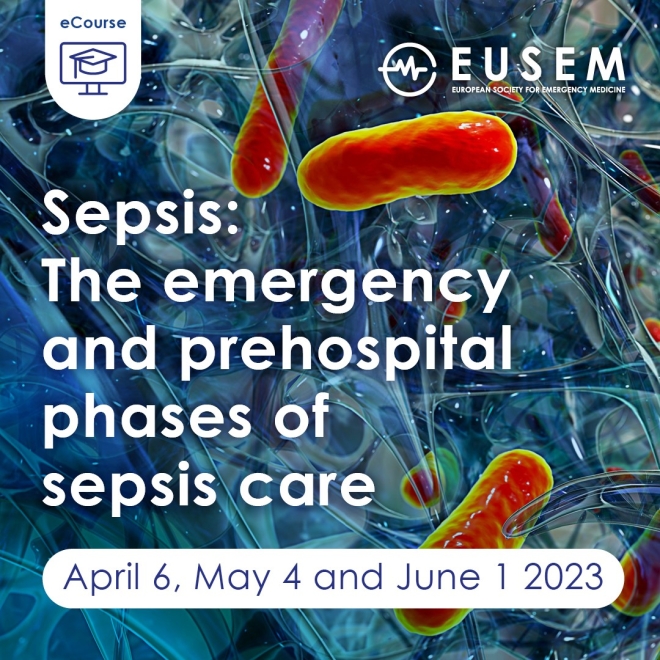
eCourse Sepsis: the emergency and prehospital phases of sepsis care

slider


Course set-up
When
For who
Learning outcomes
Costs
Accreditation
Registration

Course set-up

EUSEM is proud to announce a series of 3 live webinars to cover the emergency and prehospital phases of sepsis care. Each 2 hour webinar will consist of a series of short, focused, evidence based talks delivered by experts with in depth discussion by attendees and expert panel.

  • In webinar 1 we will focus on Screening for sepsis in ED (Scoring…)
  • Webinar 2 will explore the Sepsis patient management in ED (Care pathway, fluid management…)
  • Finally in webinar 3 we will delve into the Continuous fluid management on the ward/EMU, which will be divided into two topics:
    • Topic 1. Development of an interactive clinical case on sepsis pathways to be used in the webinars and/or to compliment trainings 

    • Topic 2. From ED to general wards: Initial triage; assessment of the patients; sepsis screening tools? Initial screening with an EW score. If Sepsis, initial treatment: fluid perfusion, vasopressor, with Cardiac Output monitoring

Each webinar will be delivered as 3 short talks with detailed discussion between each. All material will be freely available from the EUSEM webpages. The webinars will offer a clear, concise framework to assist you deliver the highest quality care from a wide range of international experts.

The course will have MCQ questionnaire in the end.

When:

Webinar 1: 6 April, 15:30 CET
Webinar 2: 4 May, 15:30 CET
Webinar 3: 1 June, 15:30 CET

For who: 

Emergency physicists, nurses, paramedics

Learning outcomes:

At the conclusion of the curriculum, the learner will be able to :

  • Screen and risk assess sepsis in the prehospital and emergency arenas
  • Understand the basic pathophysiology of sepsis
  • Identify the most appropriate antibiotic an devaluate the best route of administration and  and the correct dosing
  • Understand how to assess fluid and inopressor requirements, understand changes in resuscitation practice
  • Understand the ongoing therapies provided by intensive care units
  • Understand how point of care ultrasound can be used as a diagnostic aid and resuscitation guide

Costs

The couse will be offered for free

Accreditation

We are applying for CME accreditation

Registration

You can register directly on the EUSEM Academy platform through THIS LINK. You register for the full course, so for all 3 webinars in one go.

 Our E-courses are supported with an unrestricted educational grant from Baxter Healthcare

Read more...

Ebola Outbreak 2014

Links to resources and information on the 2014 Ebola outbreak in West Africa (last updated 22 October 2014)

European Centre for Disease Prevention and Control (ECDC)

Ebola outbreak in West Africa:

http://www.ecdc.europa.eu/en/Pages/home.aspx

Rapid Risk Assessment (13/10/2014):

http://www.ecdc.europa.eu/en/publications/Publications/ebola-sierra-leone-liberia-guinea-nigeria-spain-14-10-2014-risk-assessment.pdf

European Commission – Public Health

http://ec.europa.eu/health/ebola/index_en.htm

Medicins Sans Frontieres (MSF)

http://www.msf.org/article/ebola-crisis-update-16th-october-2014

Public Health Ontario

Ebola virus disease

UK – College of Emergency Medicine

Ebola guidance for Emergency Departments

US – Centers for Disease Control and Prevention (CDC)

Clinician resources:
http://emergency.cdc.gov/coca/calls/2014/index.asp

Ebola outbreak info:
http://www.cdc.gov/vhf/ebola/index.html

World Health Organisation (WHO)

WHO website:

http://www.who.int/en/

WHO Global Alert and Response (GAR) – Ebola:

http://www.who.int/csr/disease/ebola/en/

Read more...

Online Educational Content

Managing Acute Heart Failure in the ED – Case Studies from the Acute Heart Failure Academy

In 2013, an expert group of international leaders in emergency medicine and acute heart failure (AHF) convened to establish the AHF Academy. The Academy’s goal is to improve patient outcomes through the provision of high quality, tailored and balanced education to increase the understanding of AHF in the emergency setting. As each of the Academy members highly values direct patient care, our initial efforts led to the creation of case studies.

These case studies are intended for non-promotional, illustrative and training purposes only and are accurate at the time of release. They should not replace clinical judgement. The cases may include information on investigational uses of compounds/drugs that have not been approved by regulatory authorities. As laboratory test results vary depending on local practice, assay type and test manufacturer, please refer to the standard reference ranges provided. Furthermore, abnormal results are highlighted in bold text with additional information on specific test results provided in the footnotes.

Each outstanding case has been created solely by an individual Academy member. Additional members of the AHF Academy then peer-reviewed each case to ensure accuracy and completeness. Novartis Pharma AG supported the AHF Academy meetings and editorial assistance which was provided by CircleScience (an Ashfield Company, part of UDG Healthcare plc).

We believe these cases will improve the early management of AHF in the emergency care setting.

PLEASE NOTE: THE CASES ARE IN A POWERPOINT SLIDE SHOW FORMAT AND ARE INTERACTIVE. NO AMENDMENTS TO THE DOCUMENTS ARE PERMITTED.

Batch 1 (released Nov 2015):

Download introduction

Download case 1 (Philip Levy) (updated 14 Jan 2016)

Download case 2 (Philip Levy)

Download Case 3 (Martin Möckel)

Download Case 4 (Martin Möckel)

Download Case 5 (Peter S. Pang)

Download Case 6 (Peter S. Pang)

Batch 2 (released April 2016)

Download case 7 (Héctor Bueno) – Advanced heart failure patients with low blood pressure (systolic blood pressure 80mmHg)

Download case 8 (Sean Collins) – Normotensive acute heart failure

Download case 9 (Salvatore Di Somma) – Flash pulmonary edema with high blood pressure

Download case 10 (Deborah Diercks) – Acute heart failure with troponin release (but not acute coronary syndrome)

Download case 11 (Veli-Pekka Harjola) – Atrial fibrillation with de-novo acute heart failure

Download case 12 (Judd Hollander) – Acute heart failure caused by acute coronary syndrome (non-ST segment elevation myocardial infarction)

Download case 13 (Ekaterini Lambrinou) – Decompensated heart failure

Download case 14 (Òscar Miró) – Acute heart failure with worsening renal function identified at presentation

Batch 3 (released May 2016) 

Download case 15 (Salvatore Di Somma) Atrial fibrillation complicating and precipitating acute heart failure in patients with chronic heart failure

Download case 16 (Deborah Diercks)  Dilated Cardiomyopathy and acute systolic chronic heart failure exacerbation with methamphetamine intoxication

Download case 17 (Alasdair Gray) Acute heart failure with low blood pressure (< 90mmHg)- known chronic heart failure patient with advanced heart failure and known low ejection fraction

Download case 18 (Veli-Pekka Harjola) Atrial fibrillation with RVR de novo acute heart failure

Download case 19 (Ekaterini Lambrinou) De novo acute heart failure

Download case 20 (Oscar Miro) Acute heart failure triggered by anaemia

Our warmest regards,

Martin Möckel (MD, PhD, FESC, FAHA) and Peter S. Pang (MD, MSc, FACEP, FAAEM, FAHA, FACC)

Acute Heart Failure Academy

NextGenU

We are delighted to announce a new, globally available Emergency Medicine clerkship. It is free, and created in partnership with the Society for Academic Emergency Medicine, and with the world’s first free university, NextGenU.

This course is an introduction to Emergency Medicine, intended to provide the knowledge needed for a month-long EM rotation for clinically-prepared medical students, residents, or practicing physicians. All components of this training (like all NextGenU.org training) are free, including registration, learning, testing, and a certificate of completion.

For more information, go to NextGenU.

Read more...

Research

One of the EUSEM’s major goals is to promote and facilitate good clinical research in Emergency Medicine and in particular multi-centre clinical trials and surveys.

On these pages we will publish about current research projects, collaborative projects, surveys and working groups.

CURRENT PROJECTS AND WORKING GROUPS

OUR RESEARCH PROJECTS ON ED REGISTRIES

ED's are demanding work environments.

Working conditions affect the health of providers and patients. Negative working conditions result in stress related diseases and high provider drop out rates.

With this project we want to:

  1. determine the current state of provider working conditions and well being in Ed's across European states and
  2. find national solutions or suggestions for intervention and improvement approaches for ED working conditions and provider well being?

Please check this powerpoint presentation to see all available information. For any inquiries please contact This email address is being protected from spambots. You need JavaScript enabled to view it.

Project RAMPED (Resource Administration and Management of Patients in the Emergency Department) has the aim to create a training network for young researchers (Innovative Training Network -ITN) within the field of Emergency Medicine with focus on Emergency Department (ED) crowding.

The Project is currently eager to recruit Partners for this European PhD training network within Emergency Medicine and focusses on the challenges we face in the Emergency Departments throughout Europe.

The project consists of multiple work packages with the goal of addressing the challenges of increased patient influx and crowding in European emergency departments. In addition to focusing on developing scientific and medical skills, RAMPED will focus on personal development, not only for the Early Stage Researchers (ESR), but for mentors and the research teams. RAMPED plans to collaborate with providers that will give the candidate, which take part in a program, training in developing their human skills and personal carrier.

Would you like to participate in this project? Please contact This email address is being protected from spambots. You need JavaScript enabled to view it. and answer the following questions:

  • What would you like to see from this project?
  • Would you like to host a PhD candidate?
  • What may your institution offer a PhD candidate (hosting, courses, rotations, internship)? What are you good at?
  • What other disciplines/professions do you believe it would be beneficial include for the project?
  • Based on the preliminary project draft and information given in this email, within which work packages would you like to participate/conduct a study/studies?
  • European survey on Emergency Medical Systems

    The aim of this survey is to get a better understanding of the national Emergency Medical Systems (EMS) across Europe and learn about the differences and similarities. This will be the starting point for any recommendation to reach the highest standards of emergency medical response.

    The results are being processed right now. They will be made available in the near future.

  • Pan-European Emergency Medicine Database

    This project is exploring the feasibility of developing a Pan-European database of emergency department presentations. Such a database would establish evidence-based commonalities and differences in presentation patterns and clinical trajectories internationally. This epidemiology would lend itself to improved collaboration in many areas including treatment guidelines.

    In order for such a project to generate meaningful data two key features must be addressed:

    1. Understanding emergency medicine management in each country: how European ED's function and are staffed, how they receive and register patients digitally as well as how patients are assessed clinically will ensure any anonymous data extracted is comparable.
    2. Establishing commonalities in how patient complaints are recorded: Emergency medicine is quite unlike other specialties in that the patients complaint rather than a specific diagnosis dictates why, when and where consultations happen. As such, establishing a person-centered language of complaints will be key to subsequent clinical accuracy.

    To this end, we have been processing data from more than 30 countries to establish qualitative parameters and collecting initial quantitative sample data in early 2020.  Please find the PowerPoint of the project presented in Prague Oct 2019.

  • Survey on child abuse detection in the ED, collaboration with AUGEO
    This survey aims to get insight into the different policies to recognize child abuse at the emergency departments (EDs) in Europe. We like to learn from the different strategies at EDs and aim to develop a combined strategy for early detection (screening) and e-learning customized for different settings. At the moment the survey is closed, but at this website you can read about the collaboration and the survey.
    https://www.augeo.nl/en/training-medical-professionals/survey-detection-of-family-maltreatment-at-the-eds
  • Syncope project

    Aims of the Syncope group
    1. Creating an algorithm to identify low risk patients for outpatient management.
    Through patient descriptions can be decided who to send home.

    2. Write a position paper for publication in EJEM on T-LOC Management in ED.

    3. Research
    First step: observational multicenter study describing T-LOC management in EDs in Europe.

    Second step : European interventional study on T-LOC management in the ED using an algorithm to identify low-risk patients suitable for outpatient management. Expanding to as many European EDs as possible. 

    4. Half a day pre-course on T-LOC management for the EUSEM congress in Copenhagen 2020. 

    Read the foundation document here. 

  • EuroDEM/AANZDEM
    The EUROpean Dyspnea survey in EMergency Departments Study (EURODEM)
    The Asia, Australia, and New Zealand Dyspnea in EMergency Departments Study (AANZDEM)
    112 EDs (66 Europe and 46 South East Asia/Australasia)
  • EGERS
    European Geriatric Emergency Departments Registry Study (EGERS)
    How many geriatric patients present to the ed and with what complaints
    This study is planned for October 2020.

Working groups

Pending projects
  • Pan‐European study on Quality of care provided to children in ED
  • EuroUTI Project ‐ European Urinary Tract Infections in EDs
  • Delirium Recognition in European EDs 
  • Blood sampling

Read more...

Clinical Policies

Clinical policies are documents developed to assist clinical decision-making.
They are intended to facilitate combining the large volume of knowledge available from both the medical literature and from expert opinion into strategies helpful in diagnostic, management, and resource utilization decision-making. Clinical policies are developed using a specific strategy.

Vision: To lead the development of clinical policies in emergency medicine.
Mission: To improve the care on the emergency medical setting, facilitating decision making.
Values: Quality of the recommendations, open to participation, and team work development.

Core members
Said Laribi
Adela Golea
Franco Apra
Luis Garcia-Castrillo

The clinical policy process:
1. Topic selection and definition
2. Literature search
a. Using databases Pubmed, Chocrane, Web of Science, Embase.
3. Appraisal of the literature
a. Using the GRADE methodology
4. Writing the Clinical Policy
5. Spreading by using the EUSEM Web page, EUSEM scientific meetings
6. Updating

Policy in development:

Next action:

How to collaborate:
Get in contact for participation in the development of new policies or proposing new topics.

Contact: Luis Garcia-Castrillo Riesgo, email: This email address is being protected from spambots. You need JavaScript enabled to view it.


Read more...

Legal notice

Legal notice

Introduction

All the rights to the site www.eusemcongress.org are the sole property of the European Society for Emergency Medicine (EuSEM), whose headquarters are located at: 7-9 Bream's Buildings, London EC4A 1DT, United Kingdom.

These rights are reserved.

All available documentation for this site is provided to our visitors for personal use only.

Conception and content management

Name: MCO Congres SAS
Address: Villa Gaby - 285, Corniche Kennedy - 13007 Marseille
Company registration number: 439 946 427 000 10
Publication manager: M. Dario MOUGEL
Site host: Jaguar Network
Website: www.eusemcongress.org

Site access

EuSEM reserves the right to modify, cancel, suspend or interrupt at any moment for any reason whatsoever and at its own discretion, access to all or part of the site including, in particular, the content, features or hours of use without any prior notice.

Please feel free to contact us for any comments or questions.

Protection of personal data

No personal data is collected without your knowledge. No information is sent to third parties. You have a right to access, modify, rectify or remove any information related to you.

Forms

The information provided from all forms is computerised within MCO Congres SAS and sent to the EuSEM members and services responsible for processing your file. You can exercise your right to access the information and, where appropriate, your right to rectify this by writing to the web manager (see informations above).

Copyright

The intellectual property rights attached to the documents contained on the site and each of the components created for this site are the exclusive property of EuSEM.

Under no circumstances may the contents of the site be reproduced, amended, used or reused for public or commercial purposes unless prior written agreement has been obtained from EuSEM; this includes any texts, images and supports.

No permit,  nor any right other than the right to consult the site has been granted. In particular, the brands and other intellectual property rights present on the site are the property of the entities concerned. The reproduction of any document published on the site shall only be authorised for exclusive information purposes for private and personal use; the reproduction or use of copies made for any other purpose is explicitly forbidden.

Any other use without agreement from EuSEM shall be regarded as counterfeiting and shall be pursued and sanctioned in compliance with the Intellectual Property act.

With regards to the free text area on the Contact form, please note that internet users are forbidden to write any abusive or discriminatory content or content that may be damaging to a person’s image under penalty of being liable.

Liability

Specific risks related to computer networks

You hereby declare to know and accept the characteristics of computer and telecommunication networks. In particular, EuSEM may not be held liable for the following cases, without this list being exhaustive :

  • Network disruption, delays or late delivery in the routing of electronic messages or any other data ;
  • Equipment or software failures ;
  • Any malicious act, data thief, computer viruses, lack of protection or back-up measures ;
  • Any handling errors; poor use of equipment or software ;
  • Loss of data and/or transactions, disruption to business or other loss of a financial nature as a consequence ;
  • Problems related to the content of internet sites, emails and other information sent through the network ;
  • Misappropriate or abusive use of any data, text, images or information ;
  • Any case of force majeure, unforeseeable event or any other causes beyond EuSEM's control.

EuSEM does not have control, in any way whatsoever, over the nature or characteristic of data that may be sent by an intermediary within its server.

Consequently, EuSEM is not liable for the services accessible via internet and particularly for any direct or indirect damage, whatever the cause, origin, nature or consequences, incurred due to the access of whoever to the site, or for the inability to access this, to use the site and/or credit given to any information that may directly or indirectly come from this.

Hyperlinks

External sites with a hyperlink to the present EuSEM site are not controlled by the latter, which consequently is not held liable for the content of the said sites. Under no circumstances do these links constitute an approval or partnership between EuSEM and these sites, the latter being subject to their own conditions of use and privacy protection policies.

Read more...

3rd NON-INVASIVE VENTILATION (NIV) Certification course

COURSE OVERVIEW

This certification course in non-invasive ventilation is a comprehensive programme aimed at equipping emergency medicine professionals with the necessary knowledge and skills to manage acute respiratory failure effectively using non-invasive respiratory support. The course is intended for senior trainees and consultants in their first five years of practice.

OBJECTIVES  

  • Understand pathophysiology of acute respiratory failure and the effects of Non-Invasive respiratory support in  acute respiratory failure

  • Understand indications and contraindications of the various methods

  • Apply problem-solving to manage ventilators troubleshooting

  • Understand pros and cons of Non-Invasive respiratory support.

FACULTY

Director: Dr. Roberto Cosentini (Bergamo, Italy)

Dr. Paolo Groff  (Perugia, Italy)

Dr. Roberta Marino  (Vercelli, Italy)

Dr. Rodolfo Ferrari  (Imola, Italy)

Dr. Patrick Plaisance (Paris, France)  

AUDIENCE

Physicians, EM Physicians, Respiratory Nurses, Senior trainees / Consultants in their first 5 years of practice.

This course is only open to EUSEM members. Click Here to sign up as a new member or renew your membership now.

COURSE FEES 

Physician: €350 Nurse: €180 Trainee: €230

when 

24-25 April 2026

VENUE information

Centro de Simulação Avançada da FMUL_ Hospital de Santa Maria Campus

Av. Professor Egas Moniz, 1649-028 Lisboa - Portugal

Registration

Register via your MyEUSEM account with the Registration button above

Further Information

For further information on the course, please contact Mrs. Léna Mathieu on the following email:

This email address is being protected from spambots. You need JavaScript enabled to view it.


Read more...

Refresher Courses

Every year several Refresher Courses are organised in different locations in Europe.

Upcoming refresher course:

REFRESHER COURSE 13: disaster medicine

11 July - 14 July 2024
Cluj-Napoca, Romania

More information to come. 

REFRESHER COURSE 12: Resuscitation in the Emergency Department

29 November - 01 December 2022
San Raffaelle Hospital, Milan, Italy

Read all information HERE


Past refresher courses:

Refresher course 11: Resuscitation in the Emergency Department

24-27 May 2019, Florence, Italy

Refresher course 10: Update in Toxicology

04-07 April 2019, Brussels, Belgium

Refresher course 9: Emergency Response for Disasters

01-04 November 2018, Instanbul, Turkey

Refresher course 8:

03-06 May 2017, Lešt, Slovakia


Read more...

Emergency Medicine Core Competence Course


Emergency Medicine Core Competences Course (EMCC)
Date: 2-4 September 2020
Location: Stockholm, Sweden

Contact: 

Nathalie Ekenberg: This email address is being protected from spambots. You need JavaScript enabled to view it.

Cornelia Hartel: This email address is being protected from spambots. You need JavaScript enabled to view it.

Read the flyer here

Read more...

EFMI and EUSEM cooperate to advance the digital transformation of Emergency Departments

Press Release

EFMI and EUSEM cooperate to advance the digital transformation of Emergency Departments

EUSEM (European Society of Emergency Medicine) and EFMI (European Federation Medical Informatics), signed an agreement to collaborate on research and education and advance the digital transformation of emergency departments throughout Europe.

EUSEM and EFMI plan to create recommendations and education tools for the application of information technologies in Emergency Medicine Systems. Starting point, will be a minimum data set for emergency departments. Joint work will address IT tools and standards and will focus on the definition and format for capturing the Chief Complaint in an Emergency departments.  Part of the collaborative effort is a feasibility study that will engage EDs, EMSs, and industry throughout Europe as well as educational material that will enrich current curricula and is expected to drive implementation of the recommendations.

Luis Garcia-Castrillo Riesgo, president of EUSEM welcomed the signature noting that: “Educational and research activities done in collaboration with multiple partners have better outcomes and savings in manpower, time and economic efforts.” Lacramioara Stoicu-Tivadar, president of EFMI, said “that is an important step for EFMI as it supports the long term goal of EFMI to engage in close cooperation with health professional societies.”

The European Society for Emergency Medicine (EUSEM -https://eusem.org/) is a non-profit making scientific organization with an aim to promote and foster the concept, the philosophy and the art of Emergency Medicine throughout Europe. The main objective of EUSEM is to help and support European countries to implement the specialty of Emergency Medicine.  Born as a society of individuals in 1994 from a multidisciplinary group of experts in Emergency Medicine, since 2005 EUSEM also incorporates national society members. There are currently 36 European national societies of Emergency Medicine.

The European Federation of Medical Informatics (EFMI www.efmi.org) is an non profit association established in Switzerland in 1976 with federated structure and members in 32 countries in European region with the aim to advance the theory and practice of medical informatics. EFMI strives to advance research and development in medical informatics and encourage high standards in education as well as in the practice of medical informatics. EFMI also disseminates knowledge in the field developed within national associations among and to the countries constituting EFMI and provides guidelines and accreditation on education and training in Biomedical Informatics and Health Informatics, as it functions as the autonomous European Regional Council of the International Medical Informatics Association (IMIA).

Brussels 24-January-2019

Read more...

Election Results for the position of Vice-President - July 2024


Dear member,
 
We are pleased to announce the outcome of the recent election for vice president, which concluded on 25 July.
 
Prof. Ashraf Butt         130                 
Prof. Said Laribi           127  
Abstention                    11    
 

Prof. Ashraf Butt


Prof. Ashraf Butt personal statement. 


Prof. Said Laribi

Prof. Said Laribi personal statement. 


We would like to extend our sincere congratulations to Professor M. Ashraf Butt on his appointment as the new EUSEM Vice-President. We deeply appreciate Professor Said Laribi for his unwavering dedication and valuable contributions to the society. 

Read more...

Research Network

During the Congress in Prague, 2019, the Research Network was launched under the inspiring leadership of Said Laribi, the immediate past-chair of EUSEM Research Committee.

Why

The research network will allow:

  • Building large scale descriptive data on Emergency Medicine in Europe
  • Developing common research methodology among participating countries
  • Improve knowledge in EM through international comparisons
  • Improve EUSEM visibility among scientific societies.

Aims

  • Perform descriptive EM research projects in Europe
  • Perform clinical trials related to Emergency Medicine
  • Establish partnerships with other international EM networks with the aim of developing global research
  • Carry out scientific research training regarding Emergency Medicine
  • Promote student and researcher exchange
  • Apply for European research grants.

How

  • Each country affiliated to EUSEM will have one country lead identified in the EUSEM Research Network
  • Country lead will be the contact for his/her country with the Research network chair and the EUSEM office

Country lead

  • Will be in charge of recruiting and coordinating EM sites in his/her country
  • Will be in charge of all ethical and regulatory procedures regarding research projects in his/her country

Local site PI

  • Will be in charge of all ethical and regulatory procedures regarding the research projects in his/her hospital.
  • Recruit patients on a voluntary basis.
  • Fill in the anonymized electronic Case Report Form (CRF).
  • Local PI will be included in a study group in all publications using their data

Research Network chair

  • Will coordinate all activities of the research network, in collaboration with country leads, the Research committee and the EUSEM office
  • Help building research projects with the research committee members
  • Build the electronic case report form with the help of the EUSEM office
  • Coordinate the publication plan of the different projects in collaboration with the research project PI.

Achievements:

  • EUROCOV study (2020, PI S Laribi, France
  • EGERS study (2020, PI M Karamercan, Turkey)
  • SEED study (2022, PI M Reed, UK)


Read more...

Meetings in Prague

In Prague many interesting meetings will be held. Some of them are open and will be mentioned in the pocket programme. For your convenience you can have a look at all meetings planned so you can make your agenda:

SATURDAY 12 OCTOBER

BOARD + EiC EJEM
>16:00-17:00 Meet at registration desk                                                                                  
Invitation only

SYNCOPE
>17:00-19:00 Holiday Inn Hotel Room D
Invitation only 

SUNDAY 13 OCTOBER

MCQ WORKSHOP - EMERGE
> 08:30-13:00 Small Theatre
EBEEM examiners only

EUSEM COUNCIL
> 09:00-13:00 Room Club H
Invitation only

EUSEM PAST PRESIDENTS’ LUNCH
> 12:30-15:00 Room Club D
Invitation only

RESEARCH COMMITTEE
> 14:00-15:30 Room Club H
Invitation only

ULTRASOUND SECTION
> 14:00-15:00 Room Club E
Open

EBEEM; UEMS EM S&B - EMERGE - EUSEM Board
> 15:00-17:00 Club C
Invitation only

RESEARCH COMMITTEE
> 15:30-18:00 Room Club H
Open

PRE-HOSPITAL SECTION
> 16:00-17:30 Room Club E
Open

MONDAY 14 OCTOBER

ACEP MEETING
>09:00-10:20 Room Club H
Invitation only

EJEM MEETING
> 08:00-10:00 Room Club B
Invitation only

EMERGE MEETING
> 09:00-12:40 Room Club C
Invitation only

TOXICOLOGY SECTION
> 09:00-10:30 Room Club E
Open

GERIATRIC GUIDELINES WRITING
> 09:00-11:30 Room Club D
Invitation only

RESEARCH NETWORK
> 10:30-12:30 Room Club E
Open

DISASTER MEDICINE SECTION
> 12:00-14:00 Room Club D
Open

PAEDIATRIC SECTION
> 12:40-14:10 Room Club E
Open

EM DAY MEETING
> 14:10-15:50 Room Club E
Open

ETHICS COMMITTEE
> 14:30-15:30 Room Club D
Invitation only

BENCHMARK NETWORK
>16:00-17:30 Room Club C
Invitation only

PAEDIATRIC EMERGENCY RESEARCH NETWORK (PERN)
>15:40-16:10 Room Club H
Open

GERIATRIC SECTION
> 16:00-17:30 Room Club E
Open

EDUCATION COMMITTEE
> 16:00-17:00 Room Club B
Open

YEMD SECTION
> 16:10-17:40 Room Club D
Open

EUSEM 2019 DIPLOMA CEREMONY
> 17:40-18:45 Forum Hall
Invitation only

TUESDAY 15 OCTOBER

ILC MEETING WITH PARTNERS
> 08:00-09:00 Room Club H
Invitation only

CENTER IN KRAKOW
> 09:10-10:40 Room Club D
Invitation only

CHINESE DELEGATION WORKSHOP
> 09:10-10:40 Room Club C
Invitation only

EFMI WORKING GROUP
> 09:00-18:00 Room Club E
Invitation only

IFEM MEETING
> 10:40-11:40 Room Club B
Invitation only

EUSEM ANNUAL GENERAL ASSEMBLY
>1 2:40-14:10 Congress Hall
EUSEM members

FELLOWSHIP COMMITTEE
> 14:10-15:40 Room Club D
Invitation only

CURRICULUM+
> 14:10-16:00 Room Club C
Invitation only

SAEM
>16:00-17:00 EUSEM booth
Invitation only

WEDNESDAY 16 OCTOBER

ECOC MEETING
> 08:30-10:30 Room Club C
Invitation only

BLOOD SAMPLING PROJECT
>10:40-12:00 Room Club C
Invitation only


Read more...

Pre-courses

Read more...

Working group Digital Emergency Medicine

From Apps, Decision aids, Smart Health and Virtual Reality to Telemedicine

How patients are treated in emergency- and acute medicine is subject to rapid change. Learning and working processes in acute medicine are changed by digital aids and the handling as well as opportunities and threats are often unclear and require training. Doctors today grow up in the digital age with smartphones, apps and smart devices and use them in their daily lives. However, the skills that are learned and applied are still insufficient and only partially transferable for daily use in medical professional work with patients. This change does not only take place on the side of the doctor/medical student:

  • Change from knowledge-based education to process-oriented education and clinical work: From textbook to Dr. Google
  • Integration of Decision Aids and Smartphone Apps as medical products in the everyday life of an acute physician: Medical Calculators, Scoring/Triagesoftware
  • There is a whole spectrum of tele-emergency medicine: from algorithm-based apps to video-physician-based remote treatment. Telemedicine, i.e. the remote emergency treatment of patients, can improve access to emergency treatment in emergency medicine and could contribute to bringing specialists to the periphery and reducing the rural shortage of physicians.
  • “Artificial intelligence is a buzzword in all media”. Applications of artificial intelligence algorithms in the context of "decision aids" but also machine learning applications in image recognition and processing of vital signs/laboratory values are a major topic.

But also on the patient's side:

  • The informed patient: communication and interaction with these patients, legal aspects
  • Smart Health: data protection risks, dealing as a physician with e.g. Apple watch detected atrial fibrillation

The working group should create the opportunity to exchange experiences, discuss basic principles and develop a common standard.

Proposed objectives of the working group

  • Meeting point of emergency phycicians interested in digital transformation
  • Support and participation in the development of the future of "digital emergency medicine" featuring opportunities and risks of technological innovations
  • Exploring possibilies of integrating digital competencies into the training of an emergency physician
  • Use of digital technologies in emergency medicine e.g. Virtual reality simulation training, decision aids
  • Exchange and coordination or participation in research projects in the area of digital emergency medicine
  • Exchange experiences, discuss basic principles and develop a common standard for emergency telemedicine.
  • Applications of machine learning in emergency medicine and its limits, opportunities and ethical implications have to be discussed.


Read more...

Epidemiology series

Dear members,

Emergency Medicine across Europe shows a considerable variability. Not only in health system model, also in activity. Unfortunately, European health registries concerning Emergency Medicine are not implemented, and only a small number of countries report detailed information of it's Emergency Health Systems. This creates difficulties to compare the individual outcomes between different centres in the same country and between countries.

EUSEM started a new initiative with the title: “The epidemiology series”, which tries to create a common place for emergency medical information sharing.

We are conscious of the difficulties that we are going to face; the access to the proper information sources is not going to be the main obstacle, the key limitation is the lack of universal definitions for the objectives of our description.

We started this for our members to share the actual accessible information and be more comprehensive in their information sharing for the coming years.

This project is part of the strategic communication plan, and the initial proposal is to produce a minimum of two chapters per year, covering relevant aspects of our EMS. The first chapter focuses on emergency medicine activity across Europe and is called Emergency Medicine in numbers.

The designed format is a PDF presentation and a web based reference document.

Your comments to this initiative are welcome.

Please find the first publication in the Emergency Medicine Epidemiology Series.

EM in numbers 

References

Read more...

Sections, Committees and Working Groups

EUSEM consists of Sections, Committees and Working groups.

Please check the dropdown menu to see which sections, committees and working groups are there. 

If you are interested to join EUSEM in any group, you can always send your CV and a short motivation to This email address is being protected from spambots. You need JavaScript enabled to view it..


Sections and Committees

Chair or Co-Chair

Professional Committee

Dr Jan Stroobants

Education Committee

Dr Ruth Brown

Research Committee

Dr Ari Palomaki

Research Network

Prof. Mehmet Karamercan

Disaster Medicine Section

Dr Steve Photiou

Ultrasound Section

Dr Effie Polyzogopoulou

Paediatric EM Branch

Dr Itai Shavit

Pre-Hospital Section

Dr Vitor Ronin

Ethics Committee

Dr Bernard Foëx

Geriatric EM Section

Dr James van Oppen

Toxicology Section

Dr Kurt Anseeuw

Working Group Digital Emergency Medicine

Dr Goksu Bozdereli Berikol

EMERGE Committee

Dr Anna Spiteri and Dr Ashraf Butt

Young EMD Section

Dr Djan Meseli

Fellowship Committee

Dr Marc Sabbe

Workgroup on Professional Wellbeing

Dr Roberta Petrino
EUSEM Working-group on Global Emergency Medicine (EWGEM)  Dr Giles Cattermole

Read more...

working conditions project

ED's are demanding work environments.

Working conditions affect the health of providers and patients. Negative working conditions result in stress related diseases and high provider drop out rates.

With this project we want to:

  1. determine the current state of provider working conditions and well being in Ed's across European states and
  2. find national solutions or suggestions for intervention and improvement approaches for ED working conditions and provider well being?

Please check this powerpoint presentation to see all available information. For any inquiries please contact This email address is being protected from spambots. You need JavaScript enabled to view it.


Read more...

PC 14: Ultrasound advanced

Ultrasound Advanced

Course Directors

  • Michael Lambert

Faculty 

Jim Connolly, UK

Michael Lambert, USA

Patrick Kishi, USA

Others to be confirmed

Participants

The course is designed for 60 participants (EP, emergency medicine PA’s and nurses).

Course description & learning objectives

Aorta & IVC

  1. Understand the surface landmarks for appropriate transducer positioning to perform sonographic examinations of the thoracic and abdominal aorta
  2. Demonstrate the ability to identify and visualize landmarks for the aorta in the transverse and longitudinal scanning planes.
  3. Understand the sonographic findings and pitfalls for identifying pathology including aortic aneurysm.
  4. Describe the surface landmarks and transducer position necessary to perform ultrasound of the inferior vena cava.
  5. Understand the sonographic landmarks and anatomical relationships as it relates to the inferior vena cava
  6. Discuss indications for performing inferior vena cava ultrasound.

Cardiac-TTE

  1. Understand the utility of motion modality (M-mode) and demonstrate its use.
  2. Demonstrate the surface landmarks and transducer position necessary to perform an echocardiogram in the emergency department.
  3. Acquire and interpret sonographic images of heart (subcostal, parasternal long, parasternal short and apical windows).
  4. Identify pathologic conditions such as pericardial effusion, gross wall motion abnormalities and cardiac tamponade. 
Cardiac - TEE
  1. Understand the mechanics of the TEE probe and how to manipulate the omniplane and flexion control wheels.
  2. Identify relevant cardiac anatomy based on the planes of movement of the TEE transducer including omniplane angle adjustment, rotation of the probe, anteflexion, and retroflexion.
  3. Aquire and interpret sonographic images of the heart (midesophageal 4-chamber, midesophageal long-axis, transgastric short axis).
  4. Identify basic pathology including pericardial effusion, hypovolemia, right and left heart dysfunction.
  5. Understand the indications for TEE during emergency resuscitation as well as contraindications to TEE use.

DVT     

  1. Understand the sonographic landmarks and anatomical relationships as they relate to the vasculature of the neck, upper extremity and lower extremity.
  2. Acquire and interpret sonographic images of the internal jugular, femoral, basilic, brachial and axillary veins in live patient models.
  3. Demonstrate compression technique of upper and lower extremity veins. 

eFast

  1. Understand the surface landmarks for appropriate transducer positioning to perform the FAST examination.
  2. Understand the sonographic landmarks and anatomical relationships of the heart, liver, spleen and bladder as they relate to the FAST examination.
  3. Demonstrate the ability to identify and visualize the areas of potential intra-abdominal and thoracic spaces for free fluid to collect or pneumothorax.
  4. Understand the sonographic findings and pitfalls for identifying life-threatening trauma conditions such as cardiac tamponade, hemo/pneumothorax and intra-abdominal hemorrhage.

Equipment 

  1. Learn to be an expert on ultrasound systems.
  2. Learn how to safely connect and remove probes from their ports.
  3. Learn how to switch between transducers. 
  4. Learn and demonstrate how to store and review images. 
  5. Demonstrate adjustments to controls ie; gain, depth, frequency in hands-on session. 
  6. Demonstrate how to properly document an ultrasound study by adding pt. information, text annotation and proper landmarks. 

Gallbladder & Renal        

  1. Understand the surface landmarks for appropriate transducer positioning to perform sonographic examinations of the aorta, kidney and gallbladder. 
  2. Understand the sonographic windows and landmarks of the aorta, kidney and gallbladder.
  3. Demonstrate the ability to identify and visualize landmarks for the aorta, kidney and gallbladder in the transverse and longitudinal scanning planes.
  4. Understand the sonographic findings and pitfalls for identifying pathology including aortic aneurysm, hydronephrosis and cholelithiasis/cholecystitis.

Gastrointestinal

  1. Understand the sonographic appearance of normal stomach, large and small bowel, and pancreas, including normal anatomical structures and normal bowel peristalsis. 
  2. Describe transducer choices, scanning protocols and patient positions necessary to perform a gastrointestinal examination. 
  3. Identify and detect gastrointestinal pathology such as ileus, pneumoperitoneum, appendicitis, colitis, diverticulitis, ileitis, intussusception or hernias.  
  4. Describe common sites of intra-and retroperitoneal free air, systematic examination techniques and pitfalls for appendicitis, pneumoperitoneum, colitis, diverticulitis and hernia.  

Head & Neck     

  1. Understand the normal sonographic appearance and anatomical landmarks of organs and structures in the head and neck region, including ocular, salivary glands, thyroid gland, the upper airway including larynx and trachea, upper esophagus, facial bones and neck vessels and lymph node anatomy.  
  2. Describe transducer choices, scanning protocols and patient positions necessary to perform a focused ocular examination to detect retinal detachment, vitreous hemorrhage, lens dislocation, periocular free air or increased intracranial pressure. 
  3. Understand common thyroid abnormalities such as cysts or masses and the anatomical relation of the parathyroid glands. 
  4. Describe the appearance of salivary glands and appearance of salivary stones. Identify lymphnodes within the neck. 
  5. Describe ultrasound exam techniques to detect upper airway anatomy to guide correct endotracheal tube placement including normal esophagus and appearance of esophageal intubation.  
  6. Understand anatomy of main neck vessels and their relation to other musculoskeletal structures

Image Acquisition and instrumentation 

  1. Enhance your basic understanding of the basic principles of ultrasound.
  2. Apply these principles to the reduction of common artifacts and improvement of high quality diagnostic ultrasound images.
  3. Understand the relationship between transducer position and image orientation.
  4. Demonstrate the basic operator controls on the ultrasound system required for image acquisition.

Landmark documentation

  1. Demonstrate proper landmark documentation of the heart
  2. Demonstrate proper landmark documentation of the fast examination.
  3. Demonstrate proper landmark documentation of the gb and renal
  4. Demonstrate proper landmark documentation of the Aorta
  5. Demonstrate proper landmark documentation of transabdominal OB

MSK - Lower extremity   

  1. Demonstrate the appearances of various soft tissues on diagnostic musculoskeletal ultrasound. 
  2. Correctly apply ultrasound basic concepts so as to ensure proper visualization of musculoskeletal structures. 
  3. Proficiently perform a diagnostic musculoskeletal ultrasound on lower limb structures with emphasis on hip & knee effusions, quad and patellar tendon tears, achilles tendon tears, and TFL injuries of the ankle. 

MSK - Upper extremity   

  1. Demonstrate the appearances of various soft tissues on diagnostic musculoskeletal ultrasound. 
  2. Correctly apply ultrasound basic concepts so as to ensure proper visualization of musculoskeletal structures. 
  3. Proficiently perform a diagnostic musculoskeletal ultrasound on upper limb structures with emphasis on clavicle fractures, shoulder separations, dislocated shoulders, and rotator cuff injuries. 

Ocular

  1. Review and understand how sonography can reveal pathology of the eye and to highlight its usefulness as a simple and cost-effective tool in investigating eye symptoms. 
  2. Understand the normal ultrasound anatomy of the eye, specifically the location of the retina.
  3. Know which probe is needed for ultrasound scans of the eye and the method to accurately and safely perform the exam. 
  4. Visualize an example of a retinal detachment diagnosed by ultrasound.

Procedures: bodily fluid removal

  1. Understand how pleural, pericardial and peritoneal fluid appear on ultrasound
  2. Understand the sonographic landmarks and anatomical relationships as they relate to commonly
    performed US guided procedures in the emergency department - pericadiocentesis, pleurocentesis, and paracentesis
  3. Use phantom models demonstrate ultrasound guided technique

Procedures: Nerve Blocks

  1. Discuss the science and practical performance of brachial plexus, axillary and femoral blockade. 
  2. Learn the physiology and anatomy of the techniques and factors that influence success and complications.
  3. Demonstrate approaches for peripheral nerve blocks in the upper and lower extremity. 
  4. Demonstrate peripheral nerve block on simulator under ultrasound guidance.

Procedures: Vascular    

  1. Understand the sonographic landmarks and anatomical relationships as they relate to the vasculature of the neck, upper extremity and groin.
  2. Acquire and interpret sonographic images of the internal jugular, femoral, basilic, brachial and axillary veins in live patient models.
  3. Demonstrate ultrasound guided cannulation on vascular simulator. 

Pulmonary

  1. Review and understand the sonographic artifacts of normal and pathologic pulmonary conditions that give pulmonary ultrasound its diagnostic capacity. This includes, but is not limited to, pleural imaging, the "lung sliding sign," B-line and comet tail identification for extravascular pulmonary congestion and pleural effusion imaging techniques.
  2. Review Demonstrate sonographic landmarks of the ribs, pleura, diaphragm and lung parenchyma. 
  3. Distinguish between normal and pathologic condition through image review and hands-on imaging practice.

Shock  

  1. Provide a sequenced approach to ultrasound in the medical shock patient. 
  2. Demonstrate the surface landmarks and transducer position necessary to evaluate the heart, IVC, aorta and peritoneum. 
  3. Review causes and potential responses to treatments of hypotension and tissue malperfusion. Testicular Ultrasound
  4. Learn and demonstrate the landmarks for the testes in the longitudinal and transverse plane.
  5. State the importance of using color Doppler and pulsed wave Doppler to indicate the waveform of vessels in the testes and epididymis.
  6. Review the following disorders of the testis: hydrocele, varicocele, orchitis, epididymitis, and varicocele.

Ultrasound Program - getting started

  1.  Review the responsibilities of the ultrasound director.
  2. Review the requirements for training faculty and residents and discuss the process of privileging faculty to perform emergency ultrasound.
  3. Review how to establish a quality assurance process and how to report, document and archive images for both teaching and clinical use.
  4. Review equipment necessary to begin a successful program.
  5. Share public domain resources others have used in program initiation.

Course format

This year’s ultrasound courses have been fully updated with participants’ wishes to design the ultimate advanced US course. Participants really wanted more modules. You will have your choice of 5 modules out of a possible 21 different ultrasound applications to chose from. There will be a maximum of four participants per one instructor allowing each individual participant ample time with their hand on the probe.

Schedule

Thursday 28 September

08:15-09:00 Hands-on Session #1
09:00-09:45 Hands-on Session #2
09:45-10:30 Hands-on Session #3
10:30-10:45 Coffee Break
10:45-11:30 Hands-on Session #4
11:30-12:15 Hands-on Session #5
12:15-12:30 Wrap up session

Read more...

Pre-courses 2021

This year we offer many pre-courses. Soon all pre-courses will be shown here. You can register for precourses in the same way as for the congress, through your MyEUSEM account. Login to you your MyEUSEM account and click on the Congress registration 2021. You will be able to book your pre-courses under the tab pre-courses. 

The prices of the pre-courses will be:

- 1,5-day pre-course = 370 euros

- one-day pre-course = 250 euros

- half-day pre-course = 180 euros

50% discount will be implemented for nurses, paramedics and medical students

The prices for virtual attendance will be the same. (Only a few courses will be offered also virtually)

Read more...

Publications

publications

Epidemiology of patients presenting with dyspnea to emergency departments in Europe and the Asia-Pacific region.


Laribi S, Keijzers G, van Meer O, Klim S, Motiejunaite J, Kuan WS, Body R, Jones P, Karamercan M, Craig S, Harjola VP, Holdgate A, Golea A, Graham C, Verschuren F, Capsec J, Christ M, Grammatico-Guillon L, Barletta C, Garcia-Castrillo L, Kelly AM; AANZDEM and EURODEM study groups.Eur J Emerg Med. 2019 Oct;26(5):345-349. doi: 10.1097/MEJ.0000000000000571.PMID: 30169464


https://pubmed.ncbi.nlm.nih.gov/30169464/


Seasonal variations of patients presenting dyspnea to emergency departments in Europe: Results from the EURODEM Study.


Karamercan MA, Dündar ZD, Ergin M, VAN Meer O, Body R, Harjola VP, Verschuren F, Christ M, Golea A, Capsec J, Barletta C, Garcia-Castrillo L, Altuncı YA, Katırcı Y, Kelly AM, Laribi S.Turk J Med Sci. 2020 Dec 17;50(8):1879-1886. doi: 10.3906/sag-2002-221.PMID: 32562519


https://pubmed.ncbi.nlm.nih.gov/32562519/


Epidemiology, treatment and outcome of patients with lower respiratory tract infection presenting to emergency departments with dyspnoea (AANZDEM and EuroDEM studies).


Rousseau G, Keijzers G, van Meer O, Craig S, Karamercan M, Klim S, Body R, Kuan WS, Harjola VP, Jones P, Verschuren F, Holdgate A, Christ M, Golea A, Capsec J, Barletta C, Graham CA, Garcia-Castrillo L, Laribi S, Kelly AM.Emerg Med Australas. 2021 Feb;33(1):58-66. doi: 10.1111/1742-6723.13567. Epub 2020 Aug 3.PMID: 32748553


https://pubmed.ncbi.nlm.nih.gov/32748553/

Get with the guidelines: management of chronic obstructive pulmonary disease in emergency departments in Europe and Australasia is sub-optimal.


Kelly AM, Van Meer O, Keijzers G, Motiejunaite J, Jones P, Body R, Craig S, Karamercan M, Klim S, Harjola VP, Verschuren F, Holdgate A, Christ M, Golea A, Graham CA, Capsec J, Barletta C, Garcia-Castrillo L, Kuan WS, Laribi S; AANZDEM and EuroDEM Study Groups.Intern Med J. 2020 Feb;50(2):200-208. doi: 10.1111/imj.14323.PMID: 30989793


https://pubmed.ncbi.nlm.nih.gov/30989793/

Treatment and outcome of adult patients with acute asthma in emergency departments in Australasia, South East Asia and Europe: Are guidelines followed? AANZDEM/EuroDEM study.


Craig S, Kuan WS, Kelly AM, Van Meer O, Motiejunaite J, Keijzers G, Jones P, Body R, Karamercan MA, Klim S, Harjola VP, Verschuren F, Holdgate A, Christ M, Golea A, Graham CA, Capsec J, Barletta C, Garcia-Castrillo L, Laribi S.Emerg Med Australas. 2019 Oct;31(5):756-762. doi: 10.1111/1742-6723.13242. Epub 2019 Feb 25.PMID: 30806041


https://pubmed.ncbi.nlm.nih.gov/30806041/

 A European Emergency Medicine Research Network: a necessity achieved


Martin PL, Laribi S.Eur J Emerg Med. 2021 Jan 1;28(1):1-2. doi: 10.1097/MEJ.0000000000000785.PMID: 3336995


https://pubmed.ncbi.nlm.nih.gov/33369952/

[Epidemiology of patients presenting to the emergency room for dyspnea in Belgium].

Pfendler M, Ghuysen A, Vranckx M, Laribi S, Verschuren F.Rev Med Liege. 2021 Apr;76(4):273-279.PMID: 33830692 French.


https://pubmed.ncbi.nlm.nih.gov/33830692/


Opinion and practice survey about the use of prognostic models in acute pulmonary embolism.


Elias A, Schmidt J, Bellou A, Le Gal G, Roy PM, Mismetti P, Meyer G, Clarke M.Thromb Res. 2021 Feb;198:40-48. doi: 10.1016/j.thromres.2020.10.027. Epub 2020 Nov 1.PMID: 33278785


https://pubmed.ncbi.nlm.nih.gov/33278785/

Diagnosing, managing and preventing anaphylaxis: Systematic review.


de Silva D, Singh C, Muraro A, Worm M, Alviani C, Cardona V, DunnGlvin A, Garvey LH, Riggioni C, Angier E, Arasi S, Bellou A, Beyer K, Bijlhout D, Bilo MB, Brockow K, Fernandez-Rivas M, Halken S, Jensen B, Khaleva E, Michaelis LJ, Oude Elberink H, Regent L, Sanchez A, Vlieg-Boerstra B, Roberts G; European Academy of Allergy and Clinical Immunology Food Allergy and Anaphylaxis Guidelines Group.Allergy. 2021 May;76(5):1493-1506. doi: 10.1111/all.14580. Epub 2020 Sep 29.PMID: 32880997


https://pubmed.ncbi.nlm.nih.gov/32880997/

Recommendations on pre-hospital & early hospital management of acute heart failure: a consensus paper from the Heart Failure Association of the European Society of Cardiology, the European Society of Emergency Medicine and the Society of Academic Emergency Medicine.


Mebazaa A, Yilmaz MB, Levy P, Ponikowski P, Peacock WF, Laribi S, Ristic AD, Lambrinou E, Masip J, Riley JP, McDonagh T, Mueller C, deFilippi C, Harjola VP, Thiele H, Piepoli MF, Metra M, Maggioni A, McMurray J, Dickstein K, Damman K, Seferovic PM, Ruschitzka F, Leite-Moreira AF, Bellou A, Anker SD, Filippatos G.Eur J Heart Fail. 2015 Jun;17(6):544-58. doi: 10.1002/ejhf.289. Epub 2015 May 21.PMID: 25999021


https://pubmed.ncbi.nlm.nih.gov/25999021/


Trends and prediction of antimicrobial susceptibility in urinary bacteria isolated in European emergency departments: the EuroUTI 2010-2016 Study.


Quaegebeur A, Brunard L, Javaudin F, Vibet MA, Bemer P, Le Bastard Q, Batard E, Montassier E; EuroUTI 2010-2016 Study Group.J Antimicrob Chemother. 2019 Oct 1;74(10):3069-3076. doi: 10.1093/jac/dkz274.PMID: 31257423


https://pubmed.ncbi.nlm.nih.gov/31257423/

 

Read more...

The European Emergency Medicine Congress 2022

Are you working in an emergency medicine environment? Then this is the congress for you

The European Emergency Medicine Congress (EUSEM 2022) is an annual congress for healthcare professionals working in emergency medicine. The congress attracts over 3000 Emergency Medicine specialists from around the world. There are opportunities to learn about the new developments in emergency medicine, share best practices and network with like minded people.

Read all about the program highlights, important deadlines and sponsoring opportunities on the official congress website.

https://eusemcongress.org  


EUSEM 2022 DIA dgina

https://eusemcongress.org

Read more...

Studies & proposals

Do you have an idea of a PEM research study that needs a multicentre approach?

Bring it to REPEM, using the submission form on this page.

Twice a year REPEM has a call for proposals, at which potential studies are discussed and reviewed.

If you have an urgent subject matter, we are happy to receive your proposal any time.

Evaluation and selection process

Research guidance

Survey guidance

Evaluation of projects submitted

Evaluation of surveys submitted

Documentation for study proposals

Survey submission form

Research proposal submission form

Publication plan

Read more...

Organisation

Organisation

Steering Committee

Rianne Oostenbring, Chair This email address is being protected from spambots. You need JavaScript enabled to view it.

Silvia Bressan, secretary This email address is being protected from spambots. You need JavaScript enabled to view it.

Members

Henriette Moll 

Borja Gomez Cortes

Alain Gervaix 

Liviana Da Dalt 

Ruud Nijman 

Santi Mintegi 

Kristina Keitel 

Read more...

Links

Links

Pediatric Emergency Research Network
www.pern-global.com

Spanish Pediatric Emergency Research Group (RISeuP/SPERG)
https://sperg.es/en

The PEM Collaborative Research Committee
https://www.pemcollaborativeresearchcommitteepemcrc.org/
Paediatric Research in Emergency Departments International Collaborative
https://www.predict.org.au/

Paediatric Emergency Research in the United Kingdom & Ireland
https://www.peruki.org/

Pediatric Emergency Research Canada
https://perc-canada.ca/

Pediatric Emergency Care Applied Research Network
https://pecarn.org/

Sociedad Latinoamericana de Emergencias Pediatricas 
https://www.slepeweb.org/

Read more...

European Leadership for Emergency Medicine (LeadEM) Programme

"Successful leaders see the opportunities in every difficulty rather than the difficulty in every opportunity.” – Reed Markham 


Format

An exciting blended learning programme designed for emergency physicians wanting to establish and build upon their leadership skills with a combination of educational methods.

On completion of the Programme, delegates will be provided with a Certificate of Completion of the European Lead EM Programme combining almost 23 hrs of teaching and reflection in total.

Elearning on the EUSEM Academy

10 online eModule lectures from expert international faculty with opportunity for reflection and further reading.

NOTE:

In order to obtain a place at the face to face Pre-Congress workshop, delegates must have firstly completed the online set of 10 eModules on the EuSEM Academy website and attained the online certification. These eModules will provide the core knowledge required for the workshop. The workshop itself will be a set of simulated scenarios that will require active discussion and problem solving by the delegates.

Precourse AT EUSEM 2025

Precourse will be held at the EUSEM Congress site from 27 September, 08:00 - 17:00 and 28 September, 8:30 - 12:00 CEST, in Vienna Austria. 

The precourse will involve innovative simulated scenarios and debriefing to reinforce key mental models for leadership development. 

Objectives

The objectives of this blended learning approach are to provide ;

  1. An overview of the key models of leadership required for leading the Emergency Dept (ED) team
  2. An understanding of the skills required to care for yourself and your team
  3. The skills required to lead on key aspects of healthcare change in the challenging environment of an emergency care system.
  4. A learning development journey with online lectures and webinars supported by a full day workshop that will explore and solve real world ED problems with a highly experienced international faculty.

Overview

European Leadership for Emergency Medicine (Lead EM) Programme will combine :

  • Online lectures and further reading materials.
  • 1 compulsory live pre-workshop webinar to introduce the course.
  • A full day precourse with an international faculty to discuss and manage real world problems.

For who?

Whether you are a senior trainee, a new Consultant/ Attending emergency physician or an established Head of Service we believe you will find this a valuable, stimulating and enjoyable experience – so join us.

Please note, places are limited to 40 delegates for this Programme.

Educational material

Reading materials will be provided as part of the web based lecture phase of the programme.

Further reading materials and answers to the simulated scenarios will be provided at the end of the Course.

Modules

The course is formed around the following modules:

  1. Building your leadership journey - Taj Hassan
  2. What makes a good leader - Models of leadership - John Heyworth
  3. Caring for the team - Anna Spiteri
  4. Communicating in the ED - Katherine Henderson
  5. Understanding and delivering quality in an organization - Ian Higginson
  6. Improving team performance - Colin Graham
  7. Creating vision and delivering successful change - Fergal Hickey
  8. Managing and resolving conflict - Hannelore Raemen
  9. Leading an educational strategy for your ED - Cornelia Hartel
  10. Creating the right culture & diversity for your system - Priyadarshini Marathe

Registration

This course consists of 2 separate registrations.

1 Registration for Precourse during EUSEM Congress. Details of the Precourse are here.

2 10 eModules on the EUSEM Academy, to be finished before 27 September, if you join the Precourse.

  1. The registration for the full day Precourse is open now and it goes through the normal registration of the EUSEM Congress. 

Fee: 320 EUR for physicians; 190 EUR for nurses and paramedics.

You go to https://eusem.org/register create an account or login to your existing account and click on the button Congress registration 2025. In the precourse tab you can find the LeadEM course.

IMPORTANT NOTICE:

To get a place in the full day Precourse course you have to do the eModules first. So please make sure you will register for this part once this registration opens in June.

2. The registration for the 10 elearning modules is not included.

Fee: 181,50 EUR incl 21%VAT 

To register and submit an application:

  1. Log in to your MyEUSEM account and scroll down and click on the button for EM Leadership Programme.
  2. Complete the application.
  3. Once the application has been processed, you will be contacted to pay the registration fee.
  4. Once the fee is paid, you can logon to the emodules here


 Faculty klein


Read more...

World restart a heart day competition

World Restart a Heart Day Competition


“All citizens of the world can save a life”. With these words, the International Liaison Committee on Resuscitation (ILCOR) launched the first global initiative – World Restart a Heart (WRAH) – to

increase public awareness and the rates of bystander cardiopulmonary resuscitation (CPR) for victims of cardiac arrest.

EUSEM is fully supporting the mission of this day: ALL CITIZENS OF THE WORLD CAN SAVE A LIFE. To contribute to this day EUSEM is organising a CRP teaching competition.

HOW CAN YOU JOIN

  1. Build your own Manikin at home. All you need is a 1,5 litre bottle, a t shirt, 3 elastic bands and some filling materials, like paper: follow the simple instructions from the flyer
  2. Train general public in basic CPR according to the WRAH instructions on the flyer
  3. Film it and send a 1 minute video to This email address is being protected from spambots. You need JavaScript enabled to view it. to win a special price. The winners video will be presented at the opening ceremony of EUSEM22 in Berlin and will be shared on the congress website and social media channels.
  • Max 1 minute video
  • Originality is the criteria to win
  • You have to follow the 3 steps from WRAH when you give the CPR training; Check, Call, Compress

4. Share it on your socials including

#worldrestartaheart and #eusem

The deadline for submission is 10 October 2022

The winner will be chosen by a small jury of members from EUSEM, ERC and DGina.

PROMOTIONAL MATERIALS

To promote World Restart a Heart Day materials are available in many different lannguages. You can find them: HERE

Submissions


Read more...

YEMD Chair & Co-Chair election

Please find the statements of the candidates running for Chair and Co-Chair of YEMD

You have received the invitation to vote by email because you are in a training position or under 36 years and working in EM. Voting is open till the 12th of October. 

The first meeting with a new full YEMD board will take place at the EUSEM Congress in Berlin this year on Monday 17 October from 18:00 to 19:00 in room M8. Feel free to join


Chair position

Candidate for Chair position is Dr Canberk Djan Meseli. Read the STATEMENT 


Co-Chair position

Candidates for Co-Chair position are: 

Georgia Borio. Read the STATEMENT

Isabella Piazza. Read the STATEMENT

Mahmoud El-Hussein. Read the STATEMENT

Marialessia Capuano. Read the STATEMENT


Read more...

Paediatric Branch Board Election

It is time for Paediatric Branch Board Elections. Please find the CV's of the candidates running for each position.

Candidate for Chair

Prof Itay Shavit

Motivation
CV

Candidate for Treasurer

Prof Patrick van de Voorde

Motivation
CV

Candidate for Education Special Interest Group

Dr Ülle Uustalu

Motivation
CV

Candidate for Communication Special Interest Group

Prof Özlem Tekşam - CV


Read more...

European Trauma Course

EUROPEAN TRAUMA COURSE

The European Trauma Course (ETC) is a joint initiative of four institutions:

  • European Resuscitation Council (ERC)
  • European Society for Trauma and Emergency Surgery (ESTES)
  • European Society for Emergency Medicine (EUSEM)
  • European Society of Anaesthesiology (ESAIC)

Who is the target group?

  • The ETC is targeted at doctors from all specialties and other highly qualified health care professionals (eg. advanced nurse practitioners, critical care paramedics etc.) who treat major trauma patients in their daily practice
  • It is an advanced course and candidates must have experience in treating major trauma patients before they attend a course.

Why should you attend the course?

  • The ETC is an innovative 2.5 days Life Support Course for doctors and non-medical health care professionals that are involved in the acute care of major trauma patients.
  • ETC provides state-of-the-art trauma training with a strong focus on team work and non-technical skills.
  • The ETC is a hands-on course and candidates spend 85 % of their time working practically in scenario-based workshops.
  • Candidates are trained in small groups resembling trauma teams working in a shock room environment.
  • The ETC is certified by all partner societies.
  • The ETC is the only internationally accredited trauma course that trains doctors and non-medical health care professionals side by side in multi-specialty teams.

To facilitate the international implementation and further development of the programme, the four ETC partner societies ERC, ESTES, EuSEM and ESA have formalised their cooperation and founded the European Trauma Course Organisation (ETCO).

To find out more about the course visit the website http://europeantraumacourse.com

Read more...

Industry CME

We'd like to thank the following companies for: 

AstraZeneca2 Unrestricted educational grant for Research                                                                                                                                                          


Baxter.jpg


Unrestricted educational grant for E-Courses     
BD_life_sciences.png Unrestricted educational grant for Research         
Serb2.jpg Unrestricted educational grant for Webinars         
Abbott.jpg

Unrestricted educational grant    


Read more...

EUSEM Emergency Ultrasound course

Izola Ultrasound Course 50 x 8 in 2


The course is sold out! you can sign up for the waiting list. First come first served.
https://docs.google.com/forms/d/e/1FAIpQLSfex3aV27UoNWTE5IlfsgCXAaCCGM7c3iXLuFDU2JcJrAsFeg/viewform?usp=sf_link


Introduction

The EUSEM Ultrasound Section will host an Emergency ultrasound course in Izola, Slovenia from 11 to 12 May 2023. This course is aimed at Emergency medicine doctors, nurse and trainees, who want to learn about the fundamentals of ultrasonography and how to incorporate common findings in everyday clinical practice.

Two topics will be covered:

1)  How to utilise Ultrasound in Shock

2) How to approach abdominal pain with Ultrasound in the Emergency Department

For each topic, a number of cases will be presented and delegates will learn through hands on sessions on how to address these cases using ultrasound.

The course is limited to 50 delegates. 


Dates

Thursday 11 May - Friday 12 May 2023

REGISTRATION

Delegates from currency restricted countries : 100 EUR

Delegates from other countries: 250 EUR

How to register:

1) Go to www.eusem.org/register and log into MyEUSEM or register if you have no MyEUSEM account.
2) Click on the registration link
3) Follow the registration steps
4) Submit your registration
5) You will receive a confirmation email of your registration

If you have any problems, please write to This email address is being protected from spambots. You need JavaScript enabled to view it. 

 Terms & conditions for registration 

Venue

Izola General Hospital 

Polje 40,

6310 Izola

Slovenia


How to get to Izola

By Air

Nearest airport is Trieste in Italy

From Trieste to Izola:

Shuttle:

You can easily order the simplest transfer to your location here.

Bus:

The Ronchi dei Legionari (Trieste) airport has excellent road and motorway connections and regular public bus transport lines. At the airport, take the bus number 51 to the city of Trieste. There are several buses running every day from the station in Trieste to Slovenia. More information on timetables can be found on the website.

 Other Airports

You can travel to Slovenia by air to the central Jože Pučnik International Airport or to any of the airports in the neighbouring countries. More information here: To Slovenia by Air | I feel Slovenia 


Accommodation

Delegates can book their stay for the course in:

Hotel Cliff Belverdere

Dobrava 1a,

6310 Izola,

Slovenia

https://belvedere.si/sl/hotel-cliff/predstavitev 


Programme


Flyer ultrasound course in Izola


Read more...

The Crash Course - Paediatric Emergency Medicine

 
A crash course in Paediatric Emergency Medicine, a course in optimising your ability to manage a Crash call.
 
Thank you for your interest in this upcoming CRASH course. To register for this course click the button on the sidebar. 
 
Additional information on the programme and important course details will be published on this page. Don't hesitate to request further information by email if needed. 
 
Our main focus is on the latest advancements in PEM and evidence-based practices, as guided by the European training curriculum.
This course has been designed for paediatricians and Emergency Medicine clinicians wanting to develop and improve their practical skills. It will be delivered by an internationally recognised faculty of experts with extensive field experience and knowledge of best practices.

Our goal is to offer participants a unique opportunity to gain cutting-edge knowledge in the field of PEM, in a welcoming and inclusive learning environment.

 Are you prepared to provide emergency care to critically ill or injured children?  

Highly recommended for senior trainees in Paediatrics and Emergency Medicine; early stage  consultants; or more established consultants wanting to wanting to refresh or update their knowledge and skills.

LEARNING OBJECTIVES    

Gain insights on recent evidence-based practice in Paediatric Emergency Medicine that will significantly impact daily clinical care

  • Gain clinical skills for practicing Pediatric Emergency Medicine, focusing on POCUS and procedural sedation.

  • Engage in interactive discussions on diverse case scenarios in PEM and learn from faculty members and fellow delegates about their clinical approaches and experiences.

  • Develop competencies in managing emergency departments and lead a team during resuscitation scenarios.

VENUE DETAILS 

Dates - From 17 to 19 June 2027

Venue - Hotel Park, Cesta Svobode 15, 4260 Bled, Slovenia, contact number: +386 4 579 18 00

Faculty

Dr. Silvia Bressan, Italy 

Dr. Fabrizio Romano, Switzerland

Dr. Nir Samuel, Israel 

Dr. Katarina Vincek, Slovenia 

Dr. Ron Jacob, Israel 

Dr. Ruud Nijman, United Kingdom

COURSE FEES

TBC

FOR MORE INFO & REGISTRATION

    Contact: Mrs Léna Mathieu on This email address is being protected from spambots. You need JavaScript enabled to view it. mentioning your name, email, country of residence, nationality and institution.

    Read more...

    Industry Partnerships

    The European Society for Emergency Medicine (EUSEM) is a non-profit scientific organisation whose aim is to promote and foster the concept, philosophy and the art of Emergency Medicine throughout Europe. The ultimate objective of the Society is to help and support European nations to improve the quality of emergency medical care.

    CORPORATE PARTNERS PROGRAMME

    EUSEM is committed to advancing the field of Emergency Medicine by providing a platform for professionals and collaborators to work together and propel the field forward. Our educational programmes, both face-to-face and online, seek to provide the fundamental training needed to improve Emergency Medicine skills. By becoming a member of our Corporate Partners Programme, you will join our community platform and help advance the field of Emergency Medicine.

    We would like to extend our gratitude to our corporate partners and those who have generously supported EUSEM's educational initiatives through unrestricted educational grants. 

    OUR corporate PARTNERS 


    Unrestricted Educational grants  


    eusem Learning Activities and resources  

     As the European Emergency Medicine Society we organise a variety of learning activities for professionals and trainees in the field of Emergency Medicine, including courses delivered in person and webinars, research projects, fellowships and networking activities. Thanks to the support of industry partners and unrestricted educational grants, we can provide a wide range of educational resources and activities.

    Click below to learn more about the different learning activities.  


    types of support 

    To learn more about the different types of partnerships for EUSEM activities contact Will Connolly on This email address is being protected from spambots. You need JavaScript enabled to view it.


    CODE OF ETHICS AND CONDUCT  

    EUSEM requires all its partners, collaborators, and endorsed members to adhere strictly to its conflict of interest policy and code of ethics. This policy helps maintain transparency, integrity, and accountability within the organisation and promotes ethical conduct in all endeavours. Compliance with these guidelines is essential for upholding the trust and credibility of EUSEM and its stakeholders.


    Read more...

    YEMD Refresher Course 13: Disaster Medicine Training

    Dive into the heart-pounding world of Disaster Medicine!

    This refresher course will focus on Hospital and Prehospital Disaster Medicine. Our immersive and comprehensive programme is designed to equip young healthcare professionals with essential skills and knowledge to respond effectively to mass casualty incidents. Through a blend of short theoretical lectures and hands-on simulations, ranging from virtual reality to full-scale exercises, you will gain proficiency in assessing, prioritising, and providing immediate medical interventions in high-pressure scenarios.

    Our expert Emergency Medicine and disaster response instructors will guide participants through the latest protocols and best practices, making sure participants fully grasp the principles which underpin effective disaster management.

    Join us in this transformative journey, where you will emerge not only as a skilled healthcare provider but also as a vital asset in safeguarding communities during times of crisis.

    Course objectives

    This training course will focus on mass casualty incidents management (including hospital and prehospital preparedness and response).

     The objectives of this 3-day training course are:

    1)    Provide basic knowledge and skills, specific to the field of mass casualty incidents in accordance with the European Curriculum of Emergency Medicine.

    2)   Raise awareness towards the differences between disaster and conventional medicine

    3)   Provide a platform for  facilitating students’ interaction with experts of the field  

    4)   Empower the students to take action in developing the field of mass casualty incidents management

    Dates

    11 - 14 July 2024


    Venue details

    “Iuliu Hațieganu” University of Medicine and Pharmacy, 13 Emil, Isac Street, Cluj-Napoca 400000,  Romania

    Registration:   Registration will open in between the 3rd and 4th week of March.

    We can offer participants accommodation at the University Student house, in single or double rooms for approximately 35 EUR/night. 

    Candidate criteria

    EM young professionals (below the age of 35, either under training or within the first 5 years after completion of their training).

    Other specialties working within the ED are also eligible, upon proof of ED activity.

    1. EUSEM members must provide membership number.
    2. Non-EUSEM members must provide proof of YEMD eligibility (professional status - under training or certificate of completion of training, not older than 5 years) and proof of working in an ED, if training in another specialty than EM.

    TRAINERS and speakers


     Dr. Raed Arafat, MD - Keynote lecture               

    • Read his profile
      Dr. Raed Arafat is an anesthesia and intensive care physician, currently serving as Secretary of State, head of the Department for Emergency Situations, at the Ministry of Internal Affairs in Romania. In 1991, noticing the underdevelopment of the Romanian emergency system, he laid the foundations of SMURD, a modern prehospital emergency system, integrating firefighters and medical specialists. Dr. Arafat will deliver a keynote lecture, highlighting his long lasting experience in disaster management and emergency system dynamics.

    Mr. Jani Monthan, RN - Dispatch workshop

    • Read his profile
      Mr. Monthan was a firefighter and EMT. However, he found working in an ambulance more interesting. As a result, he completed nursing school and became a specialized nurse in prehospital care. He currently works as an EMS Field Commander on Åland Islands between Sweden and Finland, within a small community, loving his work, despite its challenges. When he's not working, Jani spends time with his family, and likes to be outdoors, travel, scuba dive, photograph and he's trying to learn how to play padel at the moment. During RC XIII, Jani will organize a workshop on dispatch particularities when responding to Mass Casualty Incidents.

    Dr. Ionut Olaru, MD - Triage Workshop

    • Read his profile
      Dr. Ionut Olaru is an Emergency Medicine consultant in the largest Emergency Department in Romania. He is currently coordinating the Emergency Medical Team (RO1. EMT) of Bucharest, which brings together firefighters and medical specialists to train and respond quickly in case of disasters around the world, as well as being appointed the EMT Coordinator in the Department for Emergency Situations. He took part in the Search and Rescue operations following the recent Turkey Earthquake, Albania (2019 Earthquake) and he led the RO1.EMT during numerous MODEX (field) European exercises. Dr. Olaru will deliver a triage workshop, which will focus on how patients should be prioritized during a Mass Casualty Incident, given the paucity of resources.

    Dr. Nikolaos Markou-Pappas, MD, PhDc - Evacuation Workshop

    • Read his profile
      Dr. Nikolaos Markou-Pappas has significant experience in the humanitarian field, specifically amidst the migration crisis along the central Mediterranean route. He worked as a Search and Rescue medic and doctor on quarantine ferries managed by the Italian branch of the Red Cross. He holds a master's degree in European Master in Disaster Medicine, which focused on using Key Performance Indicators in response protocols for mass casualty incidents in the pre-hospital setting. He is a PhD candidate studying trauma systems used by civilian and humanitarian actors in armed conflicts. Dr. Markou-Pappas will be conducting a workshop on evacuations in Mass Casualty Incidents. The workshop will shed light on the significant challenges involved in evacuating patients during such events, as well as the importance of record-keeping and prehospital resource management.

    Dr. Emilia Turucz, MD, PhD - Scene Assessment workshop

    • Read her profile
      Dr. Emilia Turucz is an experienced consultant in Emergency Medicine, with a strong background in the hospital and healthcare industry. Besides her clinical work, she is a skilled educator in Disaster and Emergency Medicine. Emilia currently leads Romania's Virtual Reality Simulation Team. She has extensive expertise in computer augmented and virtual reality simulation for mass casualty incidents. During our event, Dr. Turucz, and her team will organize a workshop on Scene Assessment, incorporating technology like xVR and Virtual Reality. During this workshop, the students will gain insights in needs assessment, security assessment, dispatch reporting and resource management.

    Dr. Adela Golea, MD, PhD – Ultrasound Workshop

    • Read her profile
      Dr. Adela Golea is an Associate Professor of Emergency Medicine, being the head of the EM Discipline within the “Iuliu Hatieganu” University of Medicine and Pharmacy Cluj-Napoca, Romania. As a member of the EUSEM Ultrasound section and Winfocus group, she has extensive experience as an ultrasound educator. Dr. Golea will lead a sonography workshop that focuses on the specific applications of ultrasound in mass casualty incidents, particularly in relation to triage and the identification of critical patients.

    Dr. Valentina Angeli, MD - Full Scale Exercise & Debriefing

    • Read her profile
      Dr. Valentina Angeli, is a Medical doctor graduating with a thesis on the hospital bed surge capacity, Dr. Angeli is an emergency medicine doctor and an alumna of the European Master in Disaster Medicine from Università del Piemonte Orientale in Novara, Italy, being currently involved in EU MODEX and in DisasterTEAM projects. Her fields of expertise are healthcare and disaster medicine training, emergency medicine and hospital disaster preparedness. Dr. Angelu will lead a Full-Scale Exercise, collect data and key performance indicators, and conduct the exercise debriefing.

    Dr. Robert Szabo, MD, PhD - Crashed airway Workshop

    • Read his profile
      Dr. Robert Szabo is an Intensive Care consultant and Anesthesiology in one of the regional trauma centers in northern Romania. He has a national certificate in bronchoscopy and extensive experience in difficult and crashed airways. During medical school and residency, Robert volunteered on an intensive care ambulance, gaining extensive experience in prehospital medicine. Dr. Szabo will be leading a workshop on managing a compromised airway, focusing on effective diagnosis, navigating difficult airways with limited resources, and ensuring proper patient ventilation during mass casualty events.

    Dr. Sorin Lăcan, MD – Triage Workshop

    • Read his profile
      Dr. Sorin – Mihai Lăcan is an Emergency Medicine consultant working in the paediatric ED of Cluj-Napoca. He pursued his interest in disaster medicine starting with his residency program, when he attended as both participant and trainer various national courses, including NATO exercises on civilian emergencies. As such, Dr. Lăcan has been part of the group developing the White Plan within his current ED. Dr. Lacan will be a valuable addition to the team conducting the triage workshop, which aims to greatly enhance students' ability to optimally utilize their limited resources.

    Dr. Raluca Zaganescu, MD - Scene Management Workshop

    • Read her profile
      Dr. Raluca Zaganescu is an Emergency Medicine Specialist working in Cluj-Napoca, both prehospital (ground and air ambulance) and emergency department. She has a long-lasting interest in Disaster Medicine, taking several courses in this area and recently participating in Vigorous Warrior NATO Exercise. Moreover, she and her team assist every year the large music festivals held in Cluj, aiding over 400 000 participants, over several days, making sure that the risks of these mass gatherings are mitigated safely! Dr. Zaganescu will conduct a workshop on scene management, emphasizing resource management, safe zone identification, facilitation of Mass Casualty Incident logistics, and identification of the necessary patient management zones.

    Dr. Dana-Cristina Herța, MD, PhD - Psychological first aid

    • Read her profile
      Dr. Dana – Cristina Herța, a child psychiatrist, is a lecturer within the Department of Medical Psychology and Psychiatry, “Iuliu Hatieganu” University of Medicine and Pharmacy Cluj – Napoca, Romania. She has extensive training in mental health and trauma exposure (doctoral and post-doctoral research on trauma, Psychological First Aid - National Child Traumatic Stress Network, USA, positive and transcultural psychotherapy, Youth Aware of Mental Health method of mental health awareness - Karolinska Institute & Columbia New York) and a vast experience in dealing with trauma, from her roles of Volunteer Coordinator of the NGO Romanian Alliance for Suicide Prevention, National Representative in the International Association for Suicide Prevention. Moreover, she has co-developed and co-authored together with Professor Doina Cozman the original method Cozman – Herța of Remote Counseling in Suicide Crisis for volunteers of the Romanian suicide crisis line. Dr. Herța will be giving a lecture on the importance of psychological first aid in Mass Casualty Incidents. During the session, she will also be conducting a role-play activity, allowing participants to actively engage in mental health intervention practice. This will provide students with a unique opportunity to enhance their skills in this crucial area.


    COURSE FEES

    €475 For non-members

    €385 For members


    Contact information:

     EUSEM Secretariat:                                             This email address is being protected from spambots. You need JavaScript enabled to view it.

    • Learn more about Disaster Medicine

      1. What is disaster medicine? Disaster medicine is a branch of healthcare that focuses on delivering medical care and managing health-related responses during natural or man-made disasters in order to minimize impact on human health. It involves emergency preparedness, rapid response and recovery efforts to restore healthcare systems and support affected communities.

      2. What are the diseases in disaster management? In disaster medicine, a variety of diseases and health conditions can emerge due to the immediate and indirect impacts of a disaster. Common issues include infectious diseases such as cholera and dysentery from contaminated water, as well as respiratory infections caused by exposure to dust and smoke. Wound infections are also prevalent, particularly if injuries are not properly treated in unsanitary conditions. Vector-borne diseases like malaria and dengue fever can increase due to stagnant water, while mental health issues such as anxiety, depression, and PTSD often arise in the aftermath. Chronic diseases may worsen due to disrupted access to care, and heat-related illnesses can occur in hot climates. Trauma and injuries are also common, as are dermatological conditions from environmental hazards or overcrowded shelters. Disaster medicine professionals must be equipped to diagnose and treat these conditions efficiently in challenging environments

      3. What are the pshychological effects of a disaster? Disasters can lead to a range of psychological effects on individuals and communities, including: 1. Acute Stress Reactions: Intense fear, anxiety, shock, and confusion immediately following a disaster. 2. Post-Traumatic Stress Disorder (PTSD): Flashbacks, nightmares, and emotional numbness triggered by the traumatic event, 3. Depression and Anxiety: Prolonged feelings of sadness or worry due to loss and uncertainty. 4. Grief and Loss: Mourning loved ones or property and experiencing a loss of security. 5. Survivor Guilt: Feelings of guilt about surviving when others did not. 6. Behavioral Changes: Withdrawal, irritability, or increased substance use as coping mechanisms. 7. Community and Social Strain: Tensions in relationships within families and communities. 8. Resilience and Growth: Some may find new strengths or a sense of purpose after a disaster. 9. Need for Support: Seeking help from mental health professionals and community resources can aid recovery.

      4. What is the prehospital triage protocol? The prehospital triage system is used by emergency medical services (EMS) and first responders to prioritize patients based on the severity of their injuries or medical conditions. This system categorizes patients into different priority levels—such as immediate, delayed, minor, and deceased (black tag)—to determine the order of care. Colored tags or wristbands help medical personnel quickly identify patients' triage categories, enabling efficient treatment and transport. Continuous reassessment of patients' conditions allows responders to adjust triage classifications as needed, aiding in the effective allocation of resources and life-saving interventions during emergencies.

      5. What are the functions of disaster medical operations? Disaster medical operations involve a range of functions to provide medical care and manage healthcare responses during and after a disaster. Key tasks include assessing and triaging patients, providing emergency medical care, and transporting patients to medical facilities. Operations also involve public health surveillance, supply management, coordination with other responders, and offering mental health support. Additionally, efficient resource allocation and training personnel in disaster protocols are essential for a comprehensive response that saves lives and aids recovery

      6. What is a course of disaster medicine? This disaster medicine training course will equip healthcare professionals with the essential skills and knowledge needed to effectively respond to natural and human-made disasters, as well as provide assistance in recovery efforts. Topics include:

      ✅ disaster preparedness

      ✅ patient assessment

      ✅ triage during mass casualty incidents

      ✅ provision of emergency medical care in high-pressure situations and managing public health risks

      ✅ logistics and resource management

      ✅ mental health support, communication and coordination with other emergency responders

      ✅ recovery and rehabilitation efforts Additionally, students learn about ethical and legal considerations in disaster medical operations.

      The curriculum may involve lectures, hands-on training, simulations, and case studies to equip learners with practical experience for effective disaster response.


    Read more...

    EUSEM Workshop 2025 on Fractures and Injuries in Adult and Paediatric Emergency Medicine

    The EUSEM Workshop on Fractures and Injuries in Adult and Paediatric Emergency Medicine will be organised in Antwerp, Belgium from 26 to 28 February  2025. This workshop will be held in conjunction with the 35th Annual Congress of the Belgian Society of Emergency and Disaster Medicine which will be hosted on 28 February.

    EUSEM Workshop 2025

    The workshop aims to summarise the evidence for the care of non-major trauma in adults and paediatric Emergency Medicine. The format for the workshop is as follows:

    •  two plenaries each day attended by all attendees
    •  followed by case-based interactive lectures run as informal tutorial style lecture groups to encourage audience participation/led (2 groups each day)
    •  followed by master classes consisting smaller group practical teaching (4 groups).

    The plenaries serve as a combination of opinion and an evidence summary around core topics. The emphasis on  what we know and best evidence.

    The interactive lectures are designed to explore the management of key topics with diverse care options. Each session begins with a brief presentation of a case (2-5 minutes), followed by audience participation where members discuss their management strategies (5-10 minutes). The session concludes with a core summary of best practices presented by the speaker (5-10 minutes). The focus is on shared learning through audience involvement and discussion of the topic. The workshop will address three themes, each lasting 25 minutes, with 2-3 speakers from different countries ideally participating.

     The breakout sessions pick up on points from plenary and case based discussions with focus on ‘how to deliver’. The emphasis is on ‘how to do’ and each session has 2-3 leads and may be run as one session of separate stations.

    Venue

    Radission Blu Hotel

    Koningin Astridplein 7B,

    2018 Antwerp

    Belgium

    URL: https://www.radissonhotels.com/en-us/hotels/radisson-blu-antwerp

    Registration

    Registration for the Workshop is now closed.  Please note there is NO onsite registration, all participants must be preregistered. If you arrive at the venue with no confirmation of registration, you will be turned away.

    However, it is still possible to register for the BeSEDiM congress. Registration for the BeSEDiM day programme should be done on the BESEDIM website


     TRAVEL

    From February 21st to March 2nd, the Belgian railway will be on strike. An alternative train service will be available. If you're travelling by train to the venue, please check which trains are available the day before your arrival here: Real-time train schedules | SNCB​

    From Brussels Airport

    By Train: Travel with the Brussels Airport Express train from the airport to Antwerp Central Station in just 34 minutes. When leaving the station, follow the exit towards Astridplein. The hotel (Venue) is located opposite the station.

    By Bus: The Airport Express Bus is a direct shuttle that runs 7 days a week every two hours form Antwerp to and from Brussels airport. The cost is 10 EUR: More info here: https://airportexpress.be/?lang=en 

    National and international buses arrive in Antwerp at a stop just a 2-minute walk from the hotel.


    Learning objectives

    1. Understand the range of treatment options available for a wide range of non-major trauma.
    2. Learn the current best practice for a range of bony and soft tissue injuries.
    3. Develop skills in fitting splints and devices to immobilise limbs.
    4. Identify cases and patients where regional anaesthesia may offer the most suitable pain relief.
    5. Recognise injuries that are associated with NAI.
    6. Provide wound care that minimises infection risk and scarring.


    Programme

    This course programme has been accredited by UEMS and attendees will earn up to 20.5 credits. 

    Day 1: Adults: wound care, fractures and soft tissue injuries

    Day 2: Analgesia, Ultrasound guided nerve blocks and MSK diagnosis 

    Day 3 Paediatrics

    Topics that will be covered :

    • Wound care
    • Dislocation and fractures
    • Abscess drainage
    • Epistaxis
    • NAI
    • Paediatric lacerations repair
    • Minor head injury
    • Paedatric abscesses/Soft Tissue infections
    • Ultrasound dx MSK
    • Ultrasound guided nerve blocks in EM 

    35th Annual Congress of BeSEDiM

    In 2025, the Belgian Society will celebrate its 35th anniversary. For this occasion, the society will organise an action packed congress, with some great keynote speakers (program coming soon), with simcup and abstract sessions, and obviously with a lot of good educational fun! For more information:.https://besedim.be/courses-1
     

    CME Accreditation

    The workshop is accredited with 20.5 CME points. A CME certificate can be accessed following the completion of a feedback survey. This survey will be sent in the 1st week of March.


    Language

    The official language of the workshop is English. There are no translations for the presentations.


    Exhibition and Sponsorship opportunties

    Exhibition Floorplan


    Exhibition FloorplanNoted


    For exhibition and sponsorship opportunities, please contact Rik Bollaert, EUSEM Corporate Relations Consultant, email: rikb [at] eusem.org


    Acknowledgements 

     EUSEM and BeSEDiM would like to thank the following sponsors and exhibitors for their support of EUSEM Workshop on Fractures and Injuries in Adult and Paediatric Emergency Medicine and the 35th Annual Congress of the Belgian Society of Emergency and Disaster Medicine.

    Silver Sponsors

    GE HLTHCR Standard RGB CompPrpl


    Bronze Sponsors

    ESSITY


    Exhibitors

    Archeon Medical

    Benetec

    BD Bioscience

    Essity

    Fujifilm Sonosite

    GE Healthcare

    Octapharma

    Serb

    Teleflex

    EUSEM are grateful for the following companies for providing equipment for the hands on sessions: 

    GE Healthcare, Fujifilm Sonosite, Benetec, Essity, Panjunk Medipro

    further information

    Email: info [at] eusem.org

    Read more...

    Palliative Care in the Emergency Department eCourse

    Course Description

    This e-course explores core competences in palliative care (recognising, communicating, and managing care needs and health trajectories) and end of life care (recognising, communicating with, and supporting people who are dying). The course is delivered using blended online learning: video and podcast resources are provided for participants to study at their convenience before two case-based online sessions to discuss the content and learning.

    We will promote international best practices and acknowledge the inherently sensitive legislative and ethical considerations: participants will be advised to consult their national practice guidelines.

    Who should attend?

    Healthcare professionals working in emergency care with an interest in supporting people who have severe symptoms or who are dying.


    Learning objectives

    By the end of the e-course, participants will be able to:

    • contrast chronic with acute conditions which may benefit from palliative care
    • describe a typical health trajectory and typical modes of dying
    • describe a communication framework for discussing symptoms
    • identify palliative care interventions to manage symptoms of breathlessness and pain
    • recognise symptoms and signs which indicate that a person is dying
    • discuss cultural perspectives relating to dying and end of life care
    • list pharmacological and non-phamacological interventions to improve the symptoms of dying


    To enrol to the course, please click here

    Read more...

    Corporate Partner: Baxter

    Baxter


    Introduction

    Baxter are supporting a number of medical education initiatives, one of which is a Sepsis Now Series. This is an International Sepsis Expert Event, which includes a series of four webinars on the detection and management of sepsis. View the webinars here:


    WEbbanner

    Read more...

    Corporate Partner: Abbott

    Abbott


    European Multidisciplinary Consensus Paper on the Traumatic Brain Injury Assessment for Adult Patients at the Emergency Department 


    Introduction

    Traumatic brain injury (TBI) is a common reason for presenting to emergency departments (EDs). The assessment of these patients is frequently hampered by various confounders, and diagnostics are still often based on nonspecific clinical signs. Throughout Europe, there is wide variation in clinical practices, including the follow-up of those discharged from the ED. The objective is to present a practical recommendation for the assessment of adult patients with an acute TBI, focusing on milder cases not requiring in-hospital care. 

    Recently published in the European Journal of Emergency Medicine, a multiprofessional expert panel gave consensus recommendations based on recent scientific literature and clinical practices. The focus is on patients with a preserved consciousness (Glasgow Coma Scale 13–15) not requiring in-hospital care after ED assessment.  

    The main results of the paper will be discussed in the webinar and contain practical, clinically usable recommendations for acute clinical assessment, head CT decision-making, use of biomarkers, discharge options, needs for follow-up, as well as a discussion of the main features and risk factors for prolonged recovery.  


    Read more...

    Corporate Partner: Aguettant

    Introduction

    Aguettant is an international pharmaceutical company specialized in "ready-to-use & ready-to-administer" injectable medicines. Based in France with a global reach, we are committed to a single mission: develop and deliver best in class medicines to help healthcare professionals treat their patients under optimal conditions. We provide therapeutic solutions and essential medicines with a focus on anesthesia, emergency, critical care and pediatrics.

    Read more...

    EUSEM Endorsement Policy

    Are you looking to endorse your international Emergency Medicine event?

    Activities eligible for endorsement by EUSEM include congresses, training programmes, educational initiatives or materials, studies, polls, as well as webinars and podcasts seeking a specific level of affiliation.
    To properly acknowledge EUSEM endorsement, the EUSEM logo must be included on promotional materials related to the activity. This requirement, detailed in the flowchart below, pertains specifically to the type of endorsement issued.
    As a member of EUSEM, EM society or EM association, you may submit your proposal via the electronic form and provide the preliminary programme to  Ms. Suvi Karuranga This email address is being protected from spambots. You need JavaScript enabled to view it.
    Please click here to access the endorsement policy, and refer to the flowchart below for details on available endorsement types and the process.
     

    Please click Here to access the criteria for endorsement, recommended evaluation form & certification criteria.


    Endorsement flowchart.1


    Read more...

    EMPOWER Course

    EMPOWER

    EUSEM’s Professional Workshop in Paediatric Emergency Response
    Official Academic Course of the European Society for Emergency Paediatrics

    Dates

    26 - 27 November 2026 

    Location

    Trieste, Italy

    Venue

     NH Trieste, Corso Cavour, 7, 34132, Trieste, Italy

    Course Overview

    This EMPOWER course is intended to reinforce data-driven knowledge in Paediatric critical and life‑threatening emergencies. The course is designed to substantially enhance participants' knowledge in the most recent scientific literature and advancements in this field.

    This 17-hour course spans two days and includes three parts:

    Part 1:  Core evidence-based presentations in paediatric life threatening emergencies. 

    Part 2: 3-hour skills lab focused on the critical 'First 5 Minutes' of paediatric resuscitation. Participants will master the 'Monitor-Access-Oxygen' triad, optimize patient positioning, and refine effective bag-valve-mask ventilation. The session also includes hands-on training in cardiac POCUS, culminating in simulation-based practice of both routine and complex clinical scenarios.

    Part 3: A 3.5-hour workshop on non-invasive respiratory support (NIRS) in pediatric emergency medicine. Participants will explore the pathophysiology of acute respiratory failure and gain hands-on proficiency with various high-flow nasal cannula (HFNC) and continuous positive airway pressure (CPAP) systems, focusing on their application in critical emergency settings.

    Course Structure

    The programme includes three core components:

    • Scientific Sessions: Key updates in paediatric resuscitation and ALS
    • Rapid Resuscitation Skills Lab (3h): Focus on the critical “First 5 Minutes”, including Monitor–Access–Oxygen, airway management, ventilation, intraosseous access, and simulation scenarios
    • NIRS Workshop (3.5h): Practical training in non-invasive respiratory support (HFNC, CPAP, NIV) in acute care settings

    View programme here


    Target Audience

    Designed for paediatric emergency physicians and emergency medicine clinicians involved in clinical care, research, or education.
    Limited to 60 participants to ensure optimal learning.


    Learning Objectives

    This course aims to empower participants with the latest clinical evidence and advancements in pediatric resuscitation and advanced life support.

    Specific objectives include:

    • Mastering current evidence-based practices across core domains of pediatric critical emergencies.
    • Evaluating existing knowledge gaps to guide future clinical practice and research.

    Scientific Basis

    Based on the latest international references, including:

    • AHA/ILCOR PALS (2025)
    • European Resuscitation Council (2025)
    • ASE Paediatric POCUS (2023)
    • ATLS 11th Edition (2025)
    • Surviving Sepsis Campaign (2026)

    Preliminary Programme

    Day 1

    Paediatric ALS Updates

    • ERC Guidelines
    • ATLS 2025 Updates

    Resuscitation for Respiratory Crisis

    • Airway management
    • Ventilation strategies

    Teamwork in Resuscitation

    Skills Lab (Afternoon)

    • Monitor–Access–Oxygen
    • Positioning & BVM ventilation
    • Intraosseous access
    • Simulation scenarios

    Day 2

    High-Acuity Respiratory Care

    • Severe asthma
    • Severe bronchiolitis

    Hemodynamic Emergencies

    • Septic shock
    • Trauma-related shock
    • POCUS in cardiogenic shock
    • Post-ROSC care

    NIRS Workshop (Afternoon)

    • Low vs high flow oxygen
    • CPAP & NIV principles
    • Hands-on training and case scenarios


    Contact

    For more information, please contact EUSEM office, courses [at] eusem.org

    Read more...

    DISCOVER OUR VOLUNTEERING OPPORTUNITIES. JOIN OUR COMMUNITY!

     Volunteers are needed to set up the New EUSEM Academy! Join us!

     Would you like to become a EUSEM active member? We are actively seeking volunteers to play a crucial role in shaping the new EUSEM Academy.

     How could you help? By dedicating a few hours each week to evaluate the previous EUSEM Academy platform and identify its strengths and weaknesses. You will also need to test the user interface of the new EUSEM Academy platform and suggest ideas to make it more comprehensive and engaging.

    You will be working as a part of a team to develop a proposal for the NEW EUSEM Academy platform from the user’s perspective.
     
    This is a good opportunity to broaden your knowledge in the field, contribute to boosting a promising educational tool, and, last but not least, learn how digital platforms can effectively facilitate learning in this area.

    Join us in this exciting educational project!
     

    If you want to join us or if you need more information, contact us at This email address is being protected from spambots. You need JavaScript enabled to view it.


    new ETR (2024)

    NEW ETR 2024

    The new ETR is structured around the competences required to care for patients including triage and resuscitation, assessment, diagnostics, clinical reasoning and management including procedural competence. It includes the professional competences required to lead a team, to educate others and to bring academic scholarship to clinical care as well as management of services. It emphasises the importance of understanding the context of the patient and their illness and the social situation they are living in. the ETR emphasises that development of a emergency physician is a lifelong activity and that supervision and mentorship is key to developing skills. Within the document are suggestions for assessments that can be conducted locally as well as guidance on supporting trainers in the workplace.

    Read more...

    EUSEM Board Election 2026 Candidates

    The nomination period for Vice President, Honorary Secretary, and Honorary Treasurer has now officially closed. We are pleased to announce that we have received one nomination for each of the positions.

    Below you will find the list of nominees along with their personal statements:

    Voting for each position will commence on 25 August and conclude on 26 September 2026. Results will be announced at the General Assembly at EUSEM 2026 on 26 September 2026.

    Please note: only full individual members with a membership of more than 1 year and 1 day will be eligible to vote.

    Vice President


    Dr. Niccolò Parri, Florence, Italy

    Personal Statement

    Honorary Treasurer

    Prof. Dr Diana Cimpoesu

    Prof. Diana Cimpoesu, Iași, Romania

    Personal Statement

    Honorary Secretary

    Dr Tatjana Rajkovic

    Dr. Tatjana Rajkovic, Niš, Serbia

    Personal Statement 

    Read more...

    Green News

    The Climate Crisis is a Health Crisis – International Court of Justice Ruling Reaction from Health Community

    International Court responds to the health community


    The impacts of heat on health: surveillance and preparedness in Europe

    This briefing outlines the status of surveillance for heat-related health impacts and heat-health actions plans in 38 European countries. It draws on a survey issued to National Public Health Institutes. It is published under the European Climate and Health Observatory initiative.


    Read more...

    Green Events

     EUSEM CONGRESS 2025 LETTERHEAD 210X35MM

     Join us at the EUSEM 2025 Congress where we will be presenting activities at the EUSEM booth, on the Podium session and in our own session. Details below:

    ABSA21:  General session: Accelerating and Amplifying the Sustainable EM Solutions

    09:00 - 10:30  Schubert 4
    29 September 2025
      Moderator: Christoph Dodt - München, Germany      
     
    09:00 - 09:03
    3 min
    Extreme European weather events & EM – Are we prepared?      
     
    09:03 - 09:15
    12 min
    Do our patients want better Emergency Climate Care?
    Speaker: Sandy Alexander Robertson - London, United Kingdom
         
     
    09:15 - 09:27
    12 min
    7 Acts - This is how we are going to survive
    Speaker: Hugh Edward Montgomery - London, United Kingdom
         
     
    09:27 - 09:39
    12 min
    7 Ways we can Choose Wisely in Emergency Medicine
    Speaker: Maartje Melse - Zwolle, The Netherlands
         
     
    09:39 - 09:51
    12 min
    7 Steps to implement your Sustainable ED Program
    Speaker: Brian O'conell - Dublin, Ireland
         
     
    09:51 - 10:03
    12 min
    7 Countries are leading the way – Scorecards, Speed & Scale
    Speaker: James Connolly - BARDON MILL, United Kingdom
         
     
    10:03 - 10:28
    25 min
    Interactive Q&A with the Panel
    Speaker: Niccolò Parri - Florence, Italy
         
     
    10:03 - 10:28
    25 min
    Interactive Q&A with the Panel
    Speaker: Roberta Petrino - Lugano, Switzerland


    Read more...

    Masterclass: Train the Trainers in Simulation

    Discover the Power of Simulation in Healthcare Education!

     Are you ready to transform the way you teach, learn, and practice healthcare? Our Simulation Training for Healthcare Educators course is designed to immerse you in the dynamic world of healthcare simulation—helping you design, implement, and lead powerful learning experiences that truly make a difference.

    Throughout this hands-on program, you’ll gain a deep understanding of the educational principles behind healthcare simulation and learn how to integrate simulation sessions into both health and interprofessional training programs. Guided by experienced facilitators, you’ll create and run your own scenarios—whether with high-fidelity mannequins or professional patient actors—and master the art of conducting impactful debriefings that foster reflection and growth.

    You’ll also explore the research and evidence supporting simulation-based education, giving you the tools to evaluate and advance your own practice.

    Our engaging teaching methods combine:

    • Interactive theoretical lectures.

    • Collaborative scenario-building workshops.

    • Live simulation sessions with mannequins and actors.

    • In-depth debriefings—followed by “debriefings of the debriefings” to refine your facilitation skills.

    Join us and become part of a community shaping the future of healthcare training through simulation—where learning is as real as it gets.

    What are the Objectives of this Course?

    Implementing a simulation program for healthcare students.

    What are my Learning Objectives?

    • Understanding the educational principles of healthcare simulation.
    • Integrate simulation sessions into a health and/or inter-professional training program.
    • Build a simulation scenario with an actor or mannequin.
    • Implement simulation sessions with a high-fidelity mannequin.
    • Implement simulation sessions with a patient actor.
    • Conduct a debriefing.
    • Understand the benefits of simulation research and its approach.

    Who are the Trainers?

    4 trainers accredited by EUSEM:

    • Prof. Patrick Plaisance, Professor, Anaesthesiology & Intensive Care, Emergency Medicine, past Director of iLumens simulation Centre (Paris Cité University, France), past President of EUSEM.
    • Prof. Abdo Khoury, Professor, Emergency Medicine, past President of EUSEM, chair, Medical Simulation Centre, University  Marie & Louis Pasteur, Besançon, France.
    • Prof. Pier Luigi Ingrassia, Consultant in Anaesthesiology and Intensive Care, President of the SESAM (Society in Europe for Simulation Applied to Medicine), Director of the Centro di Simulazione (CeSi) in the Centro Professionale Sociosanitario MedicoTecnico in Lugano, Switzerland.
    • Prof. Mohammed Mouhaoui, Professor, Anaesthesiology & Intensive Care, Emergency Medicine, President of the Morocco Sim (Morocco Society of Simulation in Healthcare).

    Programme

    TBC

    Participants

    • Open to Emergency Healthcare Professionals, some prior experience in simulation required.
    • This course is only open to EUSEM members. Click Here to sign up as a new member or renew your membership now.

    C0urse fees

    TBC

    Registration

    Further details coming soon.

    Further info

    For further information, please contact Mrs. Léna Mathieu on the following email:

    This email address is being protected from spambots. You need JavaScript enabled to view it.

    Venue

    Panacealogo.png

    Panacéa Conseil & Formation Santé

    PANASIM Simulation Centre

    22, rue Georges Picquar,

    75017 Paris

    France

    Read more...

    EUSEM Education Supporters Club

    Introduction

    In emergency medicine, seconds can mean the difference between life and death. Behind every successful emergency response is a team of highly trained professionals—doctors, nurses, paramedics—whose ability to act decisively under pressure is grounded in continuous, specialized education.

    At the heart of exceptional emergency care is a commitment to preparedness. From trauma and cardiac arrests to public health crises and mass casualty events, emergency medical teams must be ready for anything. This level of readiness requires sustained investment in advanced training, simulation technology, and evidence-based practices.

    As an educational supporter, you have the unique opportunity to make a direct and meaningful impact on public health and safety. By supporting education and training in emergency medicine, your organization will help ensure that our front-line healthcare providers are equipped with the tools and knowledge they need to save lives—every day, in every emergency.

    Your partnership is not only a powerful investment in healthcare—it’s a statement of leadership, responsibility, and community impact. Together, we can build stronger, safer communities through excellence in emergency care.

     
    Levels of visibility offered to the EUSEM Educational Supporters Club members

    Depending on the engagement throughout the year:


    Emergency Education Champion
    • Support with equipment & highest level of financial contribution.
    • A leading force in shaping the future of emergency care.
    • Champions demonstrate outstanding commitment to excellence in emergency medicine education and workforce readiness.

    Clinical Training Ally
    • Support with equipment & moderate financial contribution.
    • Reliable partners in building a stronger emergency response system.
    • Allies help deliver essential training and resources to prepare healthcare providers for real-world challenges.
    Essential Skills Contributor
    • Support with equipment only.
    • Providing critical tools for hands-on learning.
    • Contributors help lay the groundwork for practical, high-impact emergency medicine education.


    Current Supporters


    Emergency Education Champion 

    fd88e4fc ec43 4558 bc26 d67d9da57c2c

    Essential Skills Contributor

    EchoNous Logo Orange Black 300x132 

    27fc5802 d98f 439e b6e1 165121565dd0


     fd801dbf 1d3d 4a05 a067 c6a146cfe68f

    surgical science logo


    Read more...

    EUSEM Winter Days at Secours Expo – Paris, France I 19–20 March 2026


    EUSEM Winter Days 2026 – Secours Expo, Paris

    EUSEM Winter Days 2026, part of Secours Expo, brings together military and civilian emergency professionals from across Europe to advance disaster and prehospital medicine and strengthen preparedness for high-risk situations. This two-day programme will explore the full continuum from battlefield to community, examining how lessons learned from military operations, extreme environments, and mass casualty events can be applied to improve everyday emergency care. Participants will engage with sessions covering prehospital care in critical or remote situations, including advanced resuscitation and trauma management, disaster and mass casualty coordination, CBRN and biological threat preparedness, and the psychological and humanitarian impact on medical personnel working in complex emergencies.

    The congress also emphasizes international collaboration and shared learning, offering insights from recent crises, including the conflict in Ukraine, climate-related disasters, and other large-scale emergencies, to inform European research, training, and policy in emergency medicine. Attendees will not only gain practical knowledge and develop essential skills, but also build lasting professional networks that enhance readiness, resilience, and innovation in emergency response. By bringing together experts, policymakers, and frontline responders, Winter Days 2026 provides a unique platform to foster dialogue, share best practices, and prepare healthcare systems and emergency medicine professionals for the challenges of tomorrow.

    Where and When:

    Dates: 19–20 March 2026
    Location: Porte de Versailles, Paris, France

    LEARN MORE AND REGISTER:

    Winter Days 2026 is a unique opportunity to share knowledge, develop skills, and foster collaboration that will shape the future of emergency medicine in Europe.

    Read more...

    EUSEM VIRTUAL

    Where Industry Expertise Meets Accessible Medical Education

    Discover the  platform that brings together comprehensive, industry-created medical education in one intuitive place. Dive into concise modules, expert-led insights, and evidence-based content designed to support real-world clinical practice. 


    Click below for the EUSEM Virtual page:


    EUSEM VIRTUAL PAGE

    Read more...

    Basic Emergency Care Course 2026

    Copy of BEC course Banner


    Introduction

    EUSEM has joined forces with the WHO, ICRC and IFEM to promote the Basic Emergency Care Course in Europe.  This course is for first contact health workers who care for patients with acute illness or injury. BEC teaches a systematic approach to the initial assessment and management of time-sensitive conditions where early intervention may save lives. 

    BEC is a train the trainer course intended for a wide range of frontline providers and offers a basic approach for life-threatening presentations. Emergency conditions often require urgent intervention long before a diagnosis is established, and a presentation-based approach is essential to managing patients effectively. The modules in this course teach the elements of a general approach that can be used for any emergency patient. 

    This course includes one module on the general approach to all emergency patients (ABCDE and SAMPLE); one module on the approach to injured patients (trauma); three modules on other specific clinical presentations (difficulty in breathing, shock, and altered mental status); a skills section. Most life-threatening conditions, whether the original cause was medical or surgical, infection or injury, will present with one of these. In some cases, the diagnosis may be known, while in others, intervention may be required before a diagnosis can be made, perhaps because of limited diagnostic resources, but often because of the acuity of the condition. These modules introduce a systematic approach to assessment and management that can be used whether or not a diagnosis has been made. 


    Learning modality: online self-paced, in-person.

    Learning Objectives

    This course aims to equip first contact health workers to quickly and confidently recognize signs and symptoms of acute, life-threatening illness or injury and provide time-sensitive treatment and patient disposition. 

    Objectives: 

    • Provide a basic systematic approach to assess the emergency patient and manage acute, potentially life-threatening conditions even before a diagnosis is known. 
    • Identify and provide key treatments and procedures for life-threatening conditions. 
    • Understand when and how to give handover and refer for higher-level care. 


    Requirements

    Participants must be experienced in emergency care and experienced instructors.

    Participants must complete the on-line BEC course on WHO Academy.

     Go to WHO Academy

    Faculty

    Dr Ion Chesov  

    Dr Vitalii Stetsyk 

    Dr. Marin Vozian 

    Dr. Svetalana Plamadeala 

    Dr. Maria Cemortan 

    Dr. Tatiana Malcova

    Applications

    Potential applicants need to complete the following form:

    https://forms.gle/akpJDBs4giC7mdRV8

    The course directors will then select the candidates who are able to register for the course.

    Fee

    Registration fee is 250 EUR.

    Applications are open

    Venue

    Panacea Conseil centre
    2 Rue Georges Picquart 75017 Paris
    France

    More information 

    Contact This email address is being protected from spambots. You need JavaScript enabled to view it.

    Programme

    Click here to view the programme 


    Read more...

    EUSEM Trauma 27

    INTRODUCTION

    EUSEM Trauma 27 will bring together emergency medicine professionals, trauma specialists, prehospital care teams and key industry partners for a focused three-day conference dedicated to the future of trauma care. Taking place in Bilbao, Spain, from 10–12 March 2027, the programme will combine expert-led lectures with highly practical, hands-on workshops designed to translate knowledge into clinical practice.

    The conference will focus on three major themes:

    Day 1 – Tactical, Prehospital Care and Leadership

    The opening day will explore trauma response in challenging and high-risk environments, with sessions on tactical coordination, leadership, civilian–military interfaces, hazardous dispatch, multitrauma management and the control of severe haemorrhage. Afternoon workshops will provide practical training in areas such as non-compressible haemorrhage, prehospital paediatric procedures, CBRN response, abdominal trauma ultrasound concepts and rescue or HART-style walk-through scenarios.

    Day 2 – Trauma in the Emergency Department

    Day two will focus on the in-hospital trauma pathway, from initial resuscitation to advanced decision-making in the emergency department. Topics will include hybrid warfare and emergency medicine, bleeding control, blood products in resuscitation, abdominal trauma, nerve blocks, traumatic brain injury biomarkers and thoracotomy. Workshops will offer practical exposure to ventilation strategies in trauma, wound haemostatic techniques, nerve blocks, thoracotomy decision-making and paediatric trauma care.

    Day 3 – Mass Casualty Incidents and Major Incidents

    The final day will address preparedness and response to mass casualty and major incidents, including war preparedness, NATO readiness, lessons from conflict settings, civilian–military learning and resilience in emergency systems. Practical workshops will include mass casualty table-top exercises, decontamination and PPE, triage simulations, paediatric considerations in major incidents and scenario-based decision-making for prehospital and emergency department teams.

    Throughout the programme, participants will benefit from a strong practical focus, with workshops designed to offer hands-on experience alongside the latest clinical insights. The event offers industry partners a valuable opportunity to engage directly with emergency medicine leaders and frontline clinicians working across trauma, prehospital care, major incident response, haemorrhage control, ultrasound, biomarkers, splinting, resuscitation and tactical medicine.

    EUSEM Trauma 2027 will provide a highly relevant platform for showcasing innovation, supporting clinical education and strengthening collaboration between healthcare professionals and industry in the evolving field of trauma and emergency care.

    TARGET AUDIENCE

    The workshop is open to 200 emergency medicine physicians, nurses, paramedics, trauma specialists, prehospital care teams

    Programme Schedule


    Click here for DETAILED PROGRAM

    Wednesday 10 March

    Registration 08:00 - 08:30

    Wednesday Programme 08:30 - 18:15

    Welcome Reception 18:15 - 19:15

    Thursday 11 March

    Thursday Programme 08:30  - 18:15


    Friday 12 March

    Friday Programme 08:30 - 18:15

    Programme details will be available from 22 July onwards.

    CME ACCREDITATION

    An application for CME points will be made to EACCME.

    Contact us

    If you have any questions, please send an email to info [@] eusem.org. We will get back to you as soon as possible.

    Read more...

    Education Committee Roles – Call for Interest

    The Deadline for expressions of interest in these roles is: 31st August 2026


    Open Roles:


    Webinar Lead

    The EUSEM Education Committee is seeking an enthusiastic and organised volunteer to take on the role of Webinar Lead, supporting the planning, development and oversight of the Society’s monthly Emergency Medicine webinars.

    This is an exciting opportunity to help shape the educational programme, engage with experts across the EM community, and contribute to the continued success and growth of EUSEM’s webinar offering.

    Purpose of the Role

    The Webinar Lead will coordinate and oversee the EM monthly EUSEM webinars, working closely with the Education Administrator, webinar presenters, hosts and the Education Committee to ensure a high-quality and relevant educational programme.

    Key Responsibilities

    The Webinar Lead will:

    • Meet regularly with the Education Administrator to review and confirm upcoming webinar programmes.
    • Provide advice on commercial offers/ approaches for sponsorship webinars, ensuring alignment with EUSEM policies and educational objectives.
    • Support members who wish to deliver a webinar by offering advice and guidance on content and webinar format.
    • Monitor webinar performance, including attendance figures and participant feedback.
    • Produce an annual report based on podcasts recorded, participant feedback, and key outcomes.

    Time Commitment

    • The expected commitment is approximately 30 minutes per week on average over the course of the year. The workload is likely to be episodic, with some weeks requiring little or no activity and others requiring up to two hours.
    • The postholder will also be expected to attend at least 50% of the monthly webinars.

    Interested?

    Send a brief expression of interest outlining your relevant experience and motivation to This email address is being protected from spambots. You need JavaScript enabled to view it..


    Pre-Courses Lead

    EUSEM is seeking an organised and engaged volunteer to take on the role of EUSEM Pre-Courses Lead, providing oversight and coordination of the annual Congress Pre-Course Programme.

    This role offers an opportunity to help shape one of the key educational components of the EUSEM Congress, ensuring the delivery of high-quality, relevant, and sustainable pre-courses that meet the needs of participants and faculty alike.

    Purpose of the Role

    The Pre-Courses Lead will coordinate the EUSEM Congress pre-course programme, ensuring the provision of high-quality, relevant, and engaging educational content that supports the learning objectives of Congress attendees and aligns with the organisation’s educational goals.

    Key Responsibilities

    The Pre-Courses Lead will:

    • Work closely with the Education Administrator to develop the pre-course invitation and programme.
    • Oversee the review and evaluation of pre-course submissions, ensuring the consistent application of established selection criteria and quality standards.
    • Adjudicate the final selection and ensure appropriate communication of outcome to participants.
    • Collaborate with the Education Administrator to ensure that pre-course faculty are fully aware of their roles and responsibilities.
    • Oversee the timely development and submission of pre-course materials and ensure these are uploaded to the appropriate platforms.
    • Provide a report on the pre-courses for the ECOC and the Education Committee, covering:
      • Delegate and faculty feedback
      • Participation and engagement metrics
      • Financial situation
      • Recommendations for future development

    Time Commitment

    The commitment varies throughout the year and is largely seasonal.

    • November to January: approximately 2 hours per week.
    • Remainder of the year: approximately 1 hour per month.

    Interested?

    Send a brief expression of interest outlining your relevant experience and motivation to This email address is being protected from spambots. You need JavaScript enabled to view it.


    EUSEM ETR Track Lead

    EUSEM is seeking a committed and enthusiastic volunteer to serve as ETR Track Lead, overseeing the development and delivery of the European Training Requirements (ETR) Track at the annual EUSEM Congress.

    This is a nice opportunity to contribute to the core educational programme of the Congress, and to ensure that the ETR Track remains a high-quality, relevant, and engaging learning experience aligned with the European Training Requirements in Emergency Medicine.

    Purpose of the Role

    The ETR Track Lead will oversee the ETR Track at congress, ensuring that the programme reflects the breadth and depth of the ETR / European curriculum and provides valuable educational content for learners at all stages of training.

    Key Responsibilities

    The ETR Track Lead will:

    • Develop a proposal for the ETR Track programme in October and November, ensuring alignment with the European Training Requirements.
    • Present the proposed programme to the Education Committee and refine the content based on committee feedback and priorities.
    • Identify and recruit speakers from EMERGE and the Education Committee.
    • Work with invited speakers to ensure that presentations are appropriately pitched, educationally relevant, and aligned with the agreed learning objectives.
    • Ensure consistency and appropriate level of delivery across ETR Track sessions.
    • Prepare an annual report for the Education Committee based on attendance and engagement, feedback, and make recommendations for the following year.

    Time Commitment

    Much of the work takes place between October and January, during which the commitment is expected to be approximately 2 hours per week. Little time will be needed thereafter.

    The postholder would be expected to attend most of ETR Track sessions during the congress.

    Interested?

    Send a brief expression of interest outlining your relevant experience and motivation to This email address is being protected from spambots. You need JavaScript enabled to view it.


    Simulation Lead

    EUSEM is seeking an experienced volunteer to serve as EUSEM Simulation Lead, helping to develop and support a vibrant European community of practice for simulation in emergency medicine.

    This role provides an exciting opportunity to shape EUSEM’s approach to simulation-based education, facilitate collaboration across Europe, and promote the sharing of expertise and innovation in simulation training.

    Purpose of the Role

    The Simulation Lead will develop and support a community of practice in simulation-based emergency medicine education on behalf of EUSEM.

    Key Responsibilities

    The Simulation Lead will:

    • Chair and lead a working group to look at the role of simulation in EM in Europe.
    • Ensure the development and implementation of a European simulation strategy for EUSEM.
    • Work with the Simulation Working Group to develop initiatives that support the sharing of best practices, educational resources, innovations, and collaborative learning opportunities.
    • Support faculty development opportunities where appropriate.
    • Develop a network of simulators in EM – connecting with existing simulation networks to ensure maximum collaboration.
    • Approach industry for sponsorship where appropriate and in accordance.
    • Prepare an annual report for the Education Committee outlining achievements, challenges, and recommendations for future development.

    Time Commitment

    The estimated commitment is approximately 60 minutes per month averaged across the year.

    Person Specification

    We are looking for someone who already has experience in simulation.

    Interested?

    Send a brief expression of interest outlining your relevant experience and motivation to This email address is being protected from spambots. You need JavaScript enabled to view it..


    Live Courses Lead

    EUSEM is seeking an enthusiastic and organised volunteer to serve as EUSEM Live Courses Lead, providing oversight of the Society’s live educational courses.

    This role offers an excellent opportunity to support the development of high-quality educational activities and help members bring new course ideas to life through both face-to-face and hybrid learning formats.

    Purpose of the Role

    The Live Courses Lead will coordinate and oversee EUSEM live courses, working closely with the Education Administrator, course faculty, and the Education Committee to ensure that courses align with and are responsive to member needs.

    Key Responsibilities

    The Live Courses Lead will:

    • Meet regularly with the Education Administrator to review the status and performance of existing live courses.
    • Provide advice and guidance to members who wish to develop and deliver live courses with options for the e-learning component (hybrid) or live course development.
    • Ensure that live courses are mapped alongside congress recourses and the spring conference.
    • Identify gaps and opportunities within the current educational programme and suggest topics for courses.
    • Engage with EUSEM members to gather suggestions and ideas for future courses.

    Time Commitment

    The estimated commitment is approximately 1 hour per month.

    Interested?

    Send a brief expression of interest outlining your relevant experience and motivation to This email address is being protected from spambots. You need JavaScript enabled to view it..

    Read more...

    PRESS RELEASE: Drones could speed up delivery of automated external defibrillators to patients suffering cardiac arrest

    Paris, France: Drones could be used to deliver automated external defibrillators (AEDs) to where a person is suffering an out-of-hospital cardiac arrest, according to a study presented at the European Emergency Medicine Congress today (Saturday).

    AEDs can often be located some distances apart, making timely access to them uneven, particularly in rural areas or in heavily congested urban environments. However, the research presented today showed that delivering AEDs by drone, combined with providing more fixed AEDs, significantly reduced the time between an out-of-hospital cardiac arrest (OHCA) being reported and the start of defibrillation.

    “Out-of-hospital cardiac arrest is a major public health issue. Survival depends strongly on early cardiopulmonary resuscitation and timely defibrillation,” Dr Hillary Minka, an emergency physician at the Lariboisière Hospital in Paris, told the congress. “Every minute of delay before defibrillation reduces the chances of survival.

    “We wanted to investigate whether drones could provide faster AED access than road-based retrieval of existing fixed AEDs and thereby improve access to defibrillation across the Ile-de-France region.”

    Dr Minka and her colleagues used data on OHCAs in seven departments (administrative areas) in the Île-de-France, excluding central Paris, to conduct a computer simulation study that looked at three strategies:

    • Strengthening the current network of fixed AEDs
    • Using drones to deliver AEDs
    • Combining fixed AEDs with drones.

    They divided the region into units called Ilots Regroupés pour l’Information Statistique (IRIS), which are the smallest census areas used by the French National Institute of Statistics. They estimated the amount of time needed for an AED to arrive at the centre of each unit via each of the three strategies. They also evaluated several potential locations for drone deployment, including existing AED sites, mobile intensive care units (MICUs) and fire stations.

    They found that access to AEDs was very mixed, with a scarcity in the countryside and in the areas on the outskirts of Paris. To improve access to fixed AEDs, a further 1,712 AEDs would need to be added to 1,893 existing AEDs, making a total of 3,605.

    Using drones significantly reduced the time spent waiting for access to an AED. The researchers found this depended both on the number of drones deployed and their geographical positioning.

    In the hybrid strategy combining fixed AEDs and drones, AED access times were reduced by an average of 3.76 minutes across all IRIS units. AEDs were delivered to more than 95% of OHCA cases within five minutes, compared to only 30-40% of cases when relying on transport from existing fixed AED locations via the road network. The researchers estimated that using 200 drone bases and 871 fixed AED sites could extend AED coverage to nearly all OHCAs (28,349 cases), achieving an overall coverage rate of 99.4%.

    Dr Minka said: “Our study showed that drone delivery of AEDs could reduce the times to defibrillation across all the IRIS units by several minutes, with particularly large benefits in peripheral and highly congested areas. In some cases, the time saved exceeded ten minutes.

    “Our findings also suggest that this hybrid strategy could provide very broad territorial coverage while limiting the need to install hundreds of additional AEDs. This would increase the range to 3,900 metres, compared to 500 metres for fixed AEDs only.”

    The researchers envisage that the drones could be operated by specially trained people or automated systems under the supervision of emergency services. When the drone arrives at the scene of an OHCA, a bystander who is already present would collect the AED and start to use it on the patient, guided by the emergency services.

    “Drones will never replace bystanders, resuscitation efforts or emergency medical teams,” said Dr Minka. “However, they could represent an additional link in the chain of survival and help make defibrillation available more quickly. This study also shows that improving access to AEDs depends not only on the number of devices available, but also on how they are geographically distributed and organised. In some areas, drones could therefore represent a complementary strategy to large-scale deployment of additional fixed AEDs.”

    She said the study’s findings would need to be confirmed in prospective studies and real-world experiments.

    “Our findings highlight the potential value of investing in innovative solutions aimed at reducing inequalities in access to emergency care and optimising the geographical distribution of emergency resources,” she concluded.

    A strength of the study is that it analysed seven departments of the Île-de-France region using a detailed geospatial approach based on real-world cardiac arrest data. A limitation is that it is a simulation study, no drones were deployed and so their performance is based on theoretical models. The drone travel time was estimated using straight line distances (“as the crow flies”) and, therefore, did not account for regulatory, meteorological or operational constraints that could influence real-world deployment.

    Dr Felix Lorang is a member of the EUSEM abstract selection committee. He is head of the emergency department at Klinikum Lippe, North Rhine-Westfalia,Germany, and was not involved with the research. He said: “Drones are being used for an increasingly wide range of purposes and this study shows how they could make an important contribution to the emergency services, enabling AEDs to reach people suffering heart attacks more quickly. However, it is vitally important that, in every country, as many members of the public as possible know how to provide cardiopulmonary resuscitation and how to use defibrillators. Without this training, someone suffering an out-of-hospital cardiac arrest would still have to wait for the arrival of the emergency services, even if an AED is positioned nearby or arrives quickly by drone.”(ends)

    [1] Abstract no: OA066, “Optimizing automated external defibrillator access using drones: a geospatial analysis in the Paris region” by Hillary Minka, Best abstracts session, Saturday 26 September, 11:00-12:30 hrs CEST, room 142.

    Funding: This study received no funding.

    Read more...

    PRESS RELEASE: Drones could speed up delivery of automated external defibrillators to patients suffering cardiac arrest

    Paris, France: Drones could be used to deliver automated external defibrillators (AEDs) to where a person is suffering an out-of-hospital cardiac arrest, according to a study presented at the European Emergency Medicine Congress today (Saturday).

    AEDs can often be located some distances apart, making timely access to them uneven, particularly in rural areas or in heavily congested urban environments. However, the research presented today showed that delivering AEDs by drone, combined with providing more fixed AEDs, significantly reduced the time between an out-of-hospital cardiac arrest (OHCA) being reported and the start of defibrillation.

    “Out-of-hospital cardiac arrest is a major public health issue. Survival depends strongly on early cardiopulmonary resuscitation and timely defibrillation,” Dr Hillary Minka, an emergency physician at the Lariboisière Hospital in Paris, told the congress. “Every minute of delay before defibrillation reduces the chances of survival.

    “We wanted to investigate whether drones could provide faster AED access than road-based retrieval of existing fixed AEDs and thereby improve access to defibrillation across the Ile-de-France region.”

    Dr Minka and her colleagues used data on OHCAs in seven departments (administrative areas) in the Île-de-France, excluding central Paris, to conduct a computer simulation study that looked at three strategies:

    • Strengthening the current network of fixed AEDs
    • Using drones to deliver AEDs
    • Combining fixed AEDs with drones.

    They divided the region into units called Ilots Regroupés pour l’Information Statistique (IRIS), which are the smallest census areas used by the French National Institute of Statistics. They estimated the amount of time needed for an AED to arrive at the centre of each unit via each of the three strategies. They also evaluated several potential locations for drone deployment, including existing AED sites, mobile intensive care units (MICUs) and fire stations.

    They found that access to AEDs was very mixed, with a scarcity in the countryside and in the areas on the outskirts of Paris. To improve access to fixed AEDs, a further 1,712 AEDs would need to be added to 1,893 existing AEDs, making a total of 3,605.

    Using drones significantly reduced the time spent waiting for access to an AED. The researchers found this depended both on the number of drones deployed and their geographical positioning.

    In the hybrid strategy combining fixed AEDs and drones, AED access times were reduced by an average of 3.76 minutes across all IRIS units. AEDs were delivered to more than 95% of OHCA cases within five minutes, compared to only 30-40% of cases when relying on transport from existing fixed AED locations via the road network. The researchers estimated that using 200 drone bases and 871 fixed AED sites could extend AED coverage to nearly all OHCAs (28,349 cases), achieving an overall coverage rate of 99.4%.

    Dr Minka said: “Our study showed that drone delivery of AEDs could reduce the times to defibrillation across all the IRIS units by several minutes, with particularly large benefits in peripheral and highly congested areas. In some cases, the time saved exceeded ten minutes.

    “Our findings also suggest that this hybrid strategy could provide very broad territorial coverage while limiting the need to install hundreds of additional AEDs. This would increase the range to 3,900 metres, compared to 500 metres for fixed AEDs only.”

    The researchers envisage that the drones could be operated by specially trained people or automated systems under the supervision of emergency services. When the drone arrives at the scene of an OHCA, a bystander who is already present would collect the AED and start to use it on the patient, guided by the emergency services.

    “Drones will never replace bystanders, resuscitation efforts or emergency medical teams,” said Dr Minka. “However, they could represent an additional link in the chain of survival and help make defibrillation available more quickly. This study also shows that improving access to AEDs depends not only on the number of devices available, but also on how they are geographically distributed and organised. In some areas, drones could therefore represent a complementary strategy to large-scale deployment of additional fixed AEDs.”

    She said the study’s findings would need to be confirmed in prospective studies and real-world experiments.

    “Our findings highlight the potential value of investing in innovative solutions aimed at reducing inequalities in access to emergency care and optimising the geographical distribution of emergency resources,” she concluded.

    A strength of the study is that it analysed seven departments of the Île-de-France region using a detailed geospatial approach based on real-world cardiac arrest data. A limitation is that it is a simulation study, no drones were deployed and so their performance is based on theoretical models. The drone travel time was estimated using straight line distances (“as the crow flies”) and, therefore, did not account for regulatory, meteorological or operational constraints that could influence real-world deployment.

    Dr Felix Lorang is a member of the EUSEM abstract selection committee. He is head of the emergency department at Klinikum Lippe, North Rhine-Westfalia,Germany, and was not involved with the research. He said: “Drones are being used for an increasingly wide range of purposes and this study shows how they could make an important contribution to the emergency services, enabling AEDs to reach people suffering heart attacks more quickly. However, it is vitally important that, in every country, as many members of the public as possible know how to provide cardiopulmonary resuscitation and how to use defibrillators. Without this training, someone suffering an out-of-hospital cardiac arrest would still have to wait for the arrival of the emergency services, even if an AED is positioned nearby or arrives quickly by drone.”(ends)

    [1] Abstract no: OA066, “Optimizing automated external defibrillator access using drones: a geospatial analysis in the Paris region” by Hillary Minka, Best abstracts session, Saturday 26 September, 11:00-12:30 hrs CEST, room 142.

    Funding: This study received no funding.

    Read more...

    Press Release: Virtual reality and classical music help to reduce blood pressure in patients in an emergency department

    Paris, France: A virtual reality landscape of a flowing river and trees, accompanied by classical music, can help to reduce patients’ blood pressure significantly within 15 minutes of their being seen in an emergency department.

    In a randomised controlled trial of 130 adult patients who arrived in an emergency department with hypertensive urgency – blood pressure that is significantly high but without any symptoms or signs indicating acute organ damage – researchers found that viewing natural landscapes with a virtual reality (VR) headset while listening to the soothing music of composers such as Bach, Mozart, Debussy, Vivaldi and Tchaikovsky also reduced patients’ anxiety. The research was presented at the European Emergency Medicine Congress today (Saturday) [1].

    Speaking before the congress, the first author and principle investigator of the study, Dr Safa Dönmez, an associate professor of emergency medicine at the University of Health Sciences, Ankara City Health Application and Research Center, Ankara, Turkey, said that as far as he knew, this was the first study to investigate combining VR and classical music to help patients with severely elevated blood pressure in emergency departments.

    “Patients who arrive in the emergency department with markedly elevated blood pressure — readings of 180 mmHg or higher on the top number, or 110 mmHg or higher on the bottom number — are extremely common. We treat them with blood pressure medication, but what I kept noticing was how anxious and frightened many of these patients are. That matters medically, not just emotionally, because anxiety causes the body to release stress hormones that tighten the blood vessels and push blood pressure even higher. The emergency department environment itself — the noise, the bright lights, the uncertainty — can make that worse. This made me wonder: if we could help patients feel calmer, could we also help their blood pressure come down faster?” he said.

    Dr Dönmez and colleagues, including Dr Kadir Yenal, an emergency medicine specialist at Ankara Bilkent City Hospital, Ankara, randomised patients with hypertensive urgency into an intervention group (65 patients) and a control group (65 patients). All patients received standard medication to reduce blood pressure. Patients in the control group had no other intervention, but the patients in the intervention group put on VR headsets, similar to those used in gaming, that transported them to a peaceful nature scene showing a river flowing through a forest, tall trees and a wooden suspension bridge [2].

    At the same time, these patients listened on a smartphone to a playlist of classical music that the researchers had selected because of the calming, structured qualities of music by the composers mentioned above, as well as others such as Saint-Saens, Hadyn and Corelli [3].

    The researchers measured the patients’ blood pressure at 15, 30, 60, 90 and 120 minutes. They looked at the mean arterial pressure (MAP), which combines the top (systolic) number with the bottom (diastolic) number to give a single figure representing the average pressure in the arteries during one heartbeat. A normal MAP is roughly 70–100 millimetres of mercury (mmHg). The patients in this study arrived in the emergency department with much higher MAP readings of around 130–138 mmHg.

    Researchers assessed anxiety levels using a questionnaire called the State Anxiety Inventory (STAI). STAI-I measures how anxious a patient feels in that moment, which is called “state anxiety”. STAI-II measures how anxious the patient tends to be as a general personality trait and this is called “trait anxiety”. Both are scored from 20 to 80, where higher numbers mean more anxiety.

    Even though the patients were randomly assigned to the two groups, the researchers found that those in the VR group had slightly lower blood pressure when they started in the study. To account for this, the researchers not only compared the blood pressure readings between the two groups at all the time points, but also analysed the size of the reduction.

    At 15 and 30 minutes, MAP values in the control group fell from 138 mmHg to 126 mmHg and then 119 mmHg, respectively. In the VR group, the MAP values fell from 132 mmHg to 116 mmHg and 112 mmHg, respectively. After 30 minutes there was no longer a significant difference between the groups. At 15 and 30 minutes, the percentage reductions in MAP in the control group were 8% and 14%, respectively, whereas the VR group had greater percentage reductions of 12% and 15%, respectively.

    Dr Yenal told the congress: “After 15 minutes, patients in the VR group had both a lower absolute blood pressure reading and a greater reduction from their starting point, compared to the control group. This was a statistically significant finding, meaning it was unlikely to be due to chance. The VR group’s blood pressure dropped approximately 4–5 mmHg more than the control group. After that, the gap then narrowed, and from 60 minutes onwards the two groups were essentially equivalent.”

    At the beginning, the VR patients were significantly more anxious than the control group with trait anxiety scores (STAI-II) of about 46 compared to about 38 in the control group. During the observation period, there was a statistically significant difference in the reduction in trait anxiety between the two groups: an average reduction of eight points in the VR group versus four points in the control group.

    Dr Yenal said: “By the end of the two-hour observation, both groups had reached similar post-intervention anxiety levels, but the VR group got there from a higher starting point of anxious temperament, which makes their greater improvement all the more notable.”

    He said more research should be carried out in larger groups in several other hospitals but, as the technology was inexpensive and easy to use, without any side effects, “I believe it can reasonably be considered as a supportive, patient-centred addition to standard care, especially for patients who are visibly anxious or distressed.”

    Dr Dönmez said the study provided early, meaningful evidence that the approach was safe, feasible and beneficial in reducing anxiety and blood pressure.

    “The suggestion of faster early blood pressure reduction in the first 15 minutes is clinically interesting. In a busy emergency department, getting blood pressure under control quickly is important — both for patient safety and for the efficient use of resources. If a non-drug intervention can accelerate that process even modestly, it has practical value,” he said. “However, the diminishing effect over time suggests that intervention supports early stabilisation rather than long-term control of blood pressure.

    “For patients, the significance of the study is that if you were brought into an emergency department with markedly elevated blood pressure, frightened and in pain, then being offered a few minutes in a peaceful virtual forest while listening to Mozart would likely be welcomed.”

    Strengths of the study are that it was a randomised controlled trial that used the same standardised equipment for measuring blood pressure in both groups, and no patient dropped out of the study. Limitations include the difference in average blood pressures between the two groups at the start of the study; it was a single centre study; follow-up was only for two hours; the VR headset and music were always used together so it was not possible to determine which was responsible for the observed effects, or whether both were needed; and patients and medical staff could see who was using the VR headsets, so there could be a placebo effect.

    The researchers now plan to conduct further studies in more hospitals with longer follow-up, looking at the effects of VR and classical music separately, and also investigating whether enabling patients to choose their own music makes any difference.

    Dr Felix Lorang is a member of the EUSEM abstract selection committee. He is head of the emergency department at Klinikum Lippe, North Rhine-Westfalia,Germany, and was not involved with the research. He said: “Although this is a single-centre study, the results are interesting and deserve further investigation. They raise the possibility that this approach is not only safe and feasible, but offers meaningful benefits, particularly in reducing anxiety and helping to achieve faster blood pressure control during the early stages of treatment, and might avoid unnecessary medication. It is important to note that this approach was used in addition to, and not instead of, adaptation of the medication to reduce blood pressure.”(ends)

    [1] Abstract no: OA071, “Effects of virtual reality and classical music therapy on early hemodynamics and anxiety in hypertensive urgency: a randomized controlled study” by Safa Dönmez, Kadir Yenal et al. Best abstracts session, Saturday 26 September, 11:00-12:30 hrs CEST, room 142.

    [2] The VR video can be viewed here: [https://youtu.be/Kv5ap7VXjys]

    [3] The classical music playlist is here: [https://youtu.be/uk-DSogtQRo]

    Funding: The study received no external funding.

    Copyright © 2026 EUSEM All Rights Reserved | Privacy policy | Terms & conditions

    Read more...